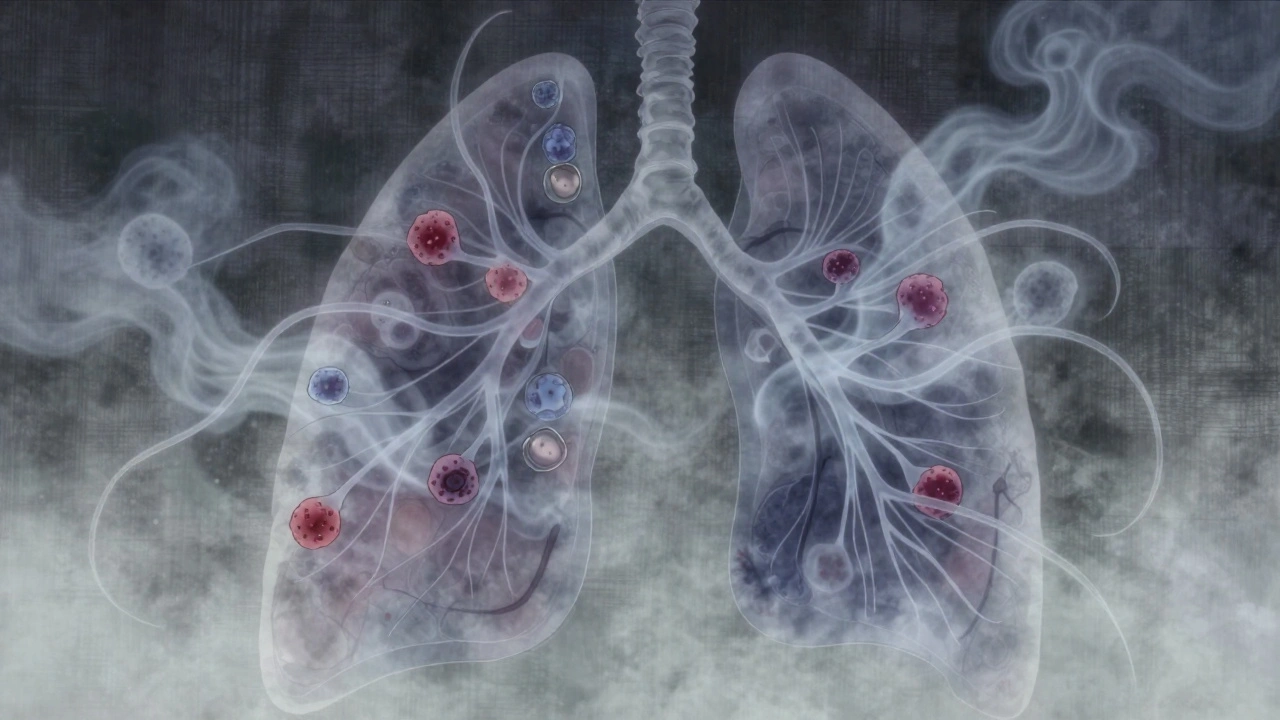
When we talk about unusual infections, infections caused by pathogens not commonly seen in healthy people, often emerging in immunocompromised individuals or after unusual exposures. Also known as opportunistic infections, they don’t always show up on standard tests and can be mistaken for something else—until it’s too late. These aren’t your typical colds or strep throat. They’re the quiet, sneaky bugs that slip past normal defenses, like fungi growing in your lungs after a vacation near a construction site, or bacteria from a fish tank infecting a cut on your hand.
What makes these infections dangerous isn’t just how rare they are—it’s how easily they’re ignored. A doctor might write off a persistent cough as allergies, or a skin rash as eczema, when it’s actually aspergillosis, a fungal infection caused by mold spores that can invade the lungs, especially in people with weak immune systems. Or someone with diabetes gets a slow-healing wound, and it turns out to be necrotizing fasciitis, a flesh-eating bacterial infection that spreads fast and kills tissue. These aren’t sci-fi scenarios—they happen more often than you think, especially as antibiotic resistance grows and climate change shifts where pathogens live.
People with chronic illnesses, those on immunosuppressants after transplants, or even healthy folks who travel to unusual places or handle exotic pets are at higher risk. A simple bite from a pet lizard can lead to salmonella, a common bacteria, but when it spreads beyond the gut in someone with a compromised immune system, it becomes life-threatening. The same goes for exposure to soil, water, or even old buildings—some fungi and bacteria thrive in places we don’t expect.
There’s no magic checklist for spotting every unusual infection, but there are red flags: symptoms that won’t go away with standard treatment, fevers that come and go without explanation, or rashes that spread oddly. If you’ve been sick for weeks and antibiotics didn’t help, it’s not just stubborn—it might be something rare. And if you’re on long-term steroids, chemotherapy, or biologics, your body’s natural guards are down. That’s when these bugs move in.
What you’ll find in the posts below aren’t textbook definitions or alarmist stories. These are real cases, real mistakes, and real fixes—like how a simple blood test missed a fungal infection for months, or how one man’s travel to a cave led to a lung disease no one diagnosed until he nearly died. You’ll learn how to ask the right questions, what tests to push for, and why sometimes the most common-sense advice—like washing your hands after gardening or avoiding hot tubs with open wounds—is the only thing keeping you safe.