
Immunosuppression Infection Diagnostic Guide
Select Immunosuppression Type
Select Symptoms Present
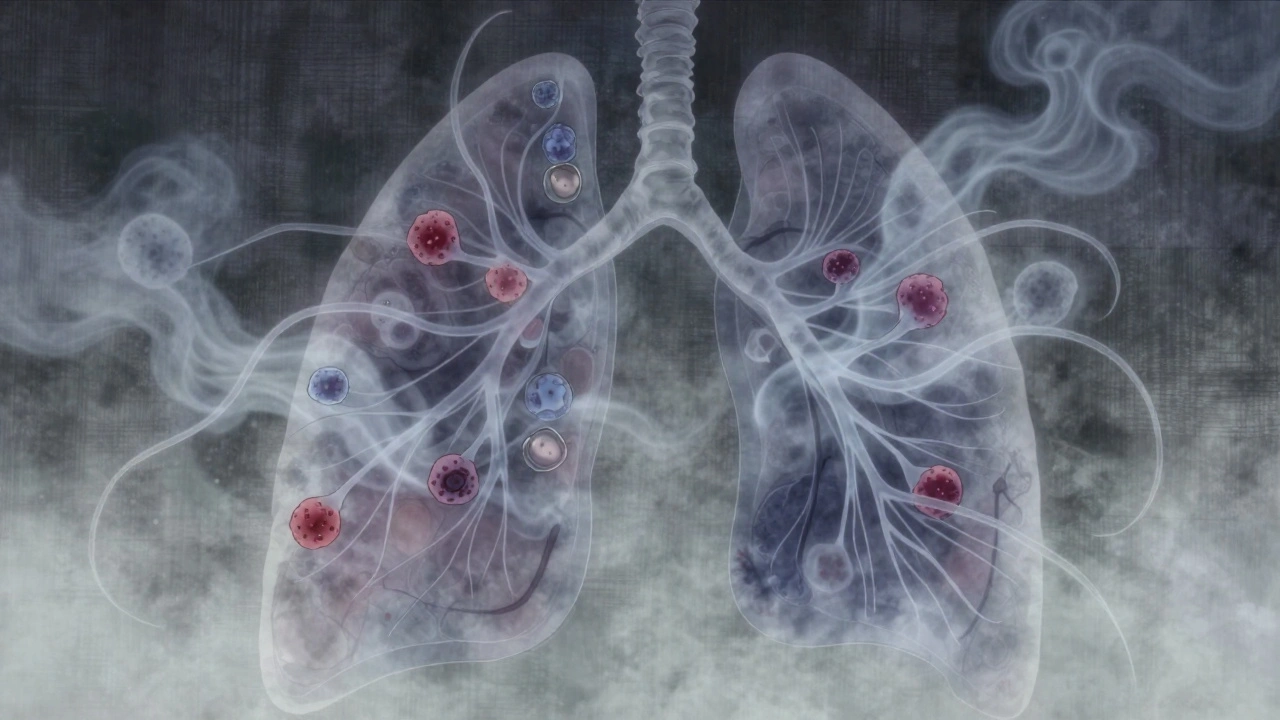
When your immune system is turned down-whether by steroids, chemotherapy, organ transplant drugs, or autoimmune treatments-you don’t just get sick more often. You get sick in ways most people never see. Infections that are rare, mild, or even invisible in healthy people can become life-threatening in immunosuppressed patients. And they often show up without the usual warning signs: no fever, no redness, no pus. Just a cough that won’t quit, a rash that won’t heal, or a stomachache that doesn’t make sense.
Why Normal Infections Become Dangerous
Your immune system is like a security team. It knows the usual suspects: flu viruses, strep bacteria, common cold germs. But when you’re on immunosuppressants, that team is understaffed. Some members are gone. Others are asleep. That’s when the quiet, sneaky invaders move in.Take Pneumocystis jirovecii. In healthy people, this fungus lives harmlessly in the lungs. But in someone with low T-cells-like a transplant patient or someone on long-term steroids-it explodes into pneumonia. In fact, it’s the most common serious lung infection in immunocompromised children before a stem cell transplant, found in 22% of cases in one major study. And here’s the kicker: many patients show no symptoms at all until it’s too late. One study found that nearly a quarter of infected kids had no cough, no fever, no trouble breathing… yet their lungs were full of the pathogen.
Unusual Organisms You Won’t Find in Normal Infection Guides
Standard medical textbooks don’t prepare you for what shows up in immunosuppressed patients. Here’s what you might actually see:- Giardia intestinalis: A tiny parasite that causes chronic diarrhea, bloating, and weight loss. In healthy people, it clears in weeks. In someone with low antibody levels (like those with X-linked agammaglobulinemia), it hangs on for months-even years. Up to 87% of affected kids show clear symptoms, and standard treatments often fail.
- Mycobacterium avium intracellulare (MAI): A cousin of tuberculosis that doesn’t cause coughs in healthy people. But in patients with severe T-cell loss, it spreads through the blood, wrecking the liver, spleen, and bone marrow.
- Aspergillus: A mold you might find in damp basements. In healthy people, it’s ignored. In neutropenic patients, it invades the lungs and brain. Mortality? Over 50%, even with the best drugs.
- Flexispira and Helicobacter species: Bacteria usually linked to stomach ulcers. In rare cases, they’ve been found in the lungs and blood of patients with antibody deficiencies, causing infections no one expected.
- Human herpesvirus-6 (HHV-6): Most adults carry it silently. But in transplant patients, it can trigger brain inflammation, bone marrow failure, or severe skin rashes.
And don’t forget the viruses: RSV, parainfluenza, adenovirus, and even the newer coronaviruses like NL63 and HKU1. During the 2022-2023 season, these accounted for 8.5% of respiratory infections in leukemia patients. These aren’t just colds-they can lead to pneumonia, organ failure, or death.
Why Symptoms Are Missing-and What to Look For Instead
If you’re used to diagnosing infections by fever, swelling, or pus, you’re going to miss a lot in immunosuppressed patients. Their bodies don’t have the fuel to mount a normal response. That means:- No fever, even with a raging infection.
- No redness or warmth on the skin-even with deep tissue infections.
- No cough, even when lungs are full of fungus.
- No abdominal pain, even when the gut is crawling with parasites.
One 1967 study documented a patient with histoplasmosis-the same fungus that causes “valley fever”-who didn’t have lung nodules or cough. Instead, their skin looked like a severe bacterial infection called erysipelas. The patient died because doctors thought it was a simple skin bug, not a deadly fungus.
Today, doctors rely on tests, not symptoms. Bronchoalveolar lavage (BAL) finds Pneumocystis in 92% of cases, compared to just 65% with sputum samples. Stool tests with fluorescent antibodies catch Giardia in 98% of cases. Routine screening isn’t optional-it’s lifesaving.

How Different Immune Defects Lead to Different Infections
Not all immunosuppression is the same. The type of drug or disease determines what germs you’re vulnerable to.- Low antibodies (B-cell defects): You’re at risk for Giardia, Streptococcus pneumoniae, and Haemophilus. These bugs attack the lungs and gut because your body can’t make the antibodies to trap them.
- Low T-cells: This is the big one. Viruses explode: CMV (cytomegalovirus), adenovirus, HHV-6. Fungi like Aspergillus and Pneumocystis take over. You’re 15 to 20 times more likely to get a viral reactivation than someone with only B-cell problems.
- Phagocyte defects: Your white blood cells can’t eat bacteria. So you get Staphylococcus aureus in your skin and bones (45% of cases), plus Klebsiella, Pseudomonas, and E. coli. These infections don’t just sit there-they spread fast.
- Combined defects (like SCID): You’re vulnerable to everything. 38% of these kids develop MAI, Pneumocystis, or even BCG (the TB vaccine strain) before they get a transplant.
Knowing the type of immune defect isn’t just academic-it tells your doctor what to test for, what drugs to start early, and what to watch for next.
Why Treatment Is Harder-and Often Fails
You can’t just give a standard course of antibiotics or antivirals. Immunosuppressed patients often don’t respond the same way.For Giardia, metronidazole is the go-to. But in immunocompromised patients, treatment fails 30-40% of the time. Why? Because their immune systems can’t help clear the leftover parasites. Doctors now use combo therapy: metronidazole plus tinidazole or nitazoxanide.
Antifungals for Aspergillus? They work-but only if caught early. If the infection spreads to the brain or bloodstream, survival drops below 20%. And because these drugs are toxic, you can’t just crank up the dose. It’s a balancing act: enough to kill the fungus, but not enough to wreck the liver or kidneys.
CMV is another nightmare. Without prophylaxis, 40% of transplant patients get it. Even with antivirals like ganciclovir, it can return. Now, doctors are turning to T-cell therapies-giving patients back their own virus-fighting cells. In trials, 70% of patients with stubborn CMV or adenovirus responded.
The New Threats: COVID-19 and Beyond
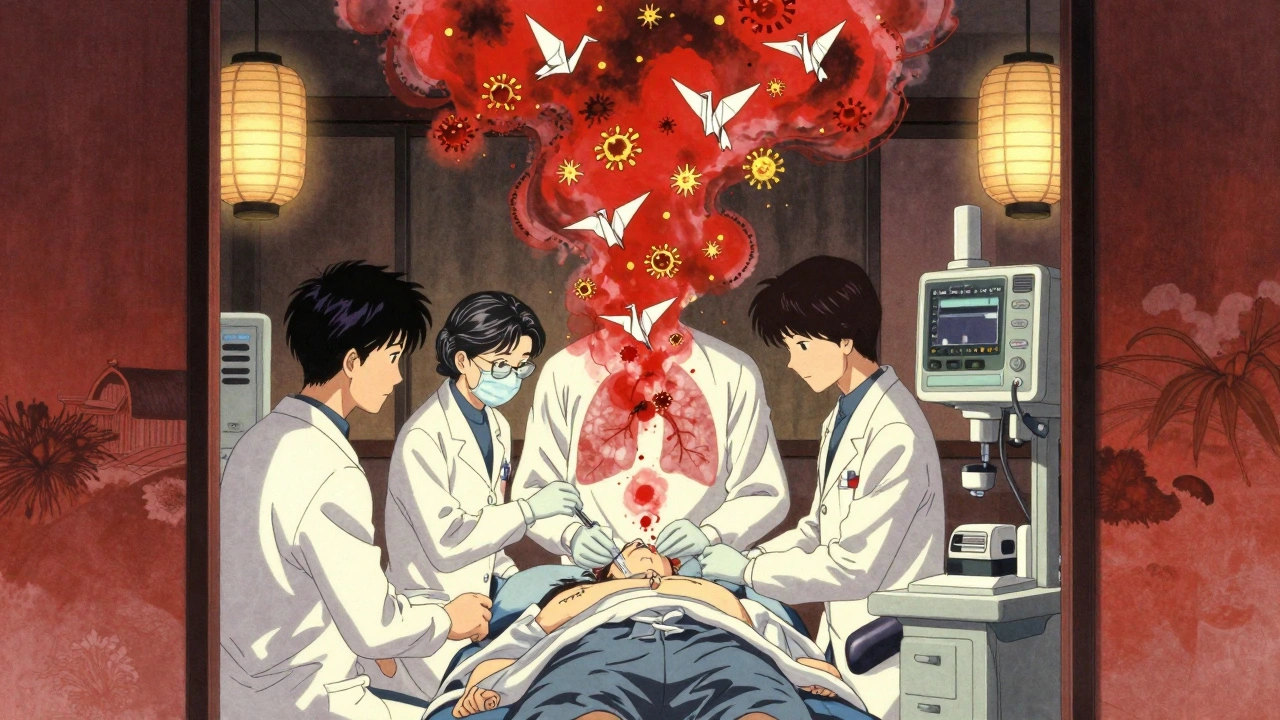
The pandemic showed us something terrifying: immunosuppressed people can shed the SARS-CoV-2 virus for more than 120 days. That’s nearly four months of being contagious, while healthy people clear it in two weeks. Some developed chronic infections, with the virus evolving inside their bodies-creating new variants.That’s why guidelines now recommend longer isolation, repeated testing, and even monoclonal antibodies or antivirals like Paxlovid for extended courses. It’s not just about treating the infection-it’s about stopping it from mutating into something worse.
What You Can Do: Prevention Is Everything
There’s no magic pill. But there are proven steps:- Prophylaxis is key: If you’re on high-dose steroids or post-transplant, you’re likely on daily Bactrim to prevent Pneumocystis. Don’t skip it.
- Vaccines matter: Flu, pneumococcal, and COVID shots help-even if they’re less effective. They give your body a head start.
- Avoid exposure: Skip crowded places during flu season. Wear a mask in hospitals. Avoid gardening or cleaning bird cages (Aspergillus lives in soil and droppings).
- Test early: If you have a cough, diarrhea, or skin change that lasts more than a few days, get tested. Don’t wait for fever.
- Know your numbers: If you’re on immunosuppressants, ask your doctor about your CD4 count, IgG levels, or neutrophil count. These tell you your risk level.
The Bottom Line
Infections in immunosuppressed patients aren’t just “bad colds.” They’re stealthy, unpredictable, and deadly if missed. The germs are strange. The symptoms are quiet. The treatments are complex. But with awareness, testing, and prevention, many of these infections can be caught before they spread.It’s not about being afraid. It’s about being informed. If you or someone you care for is on immunosuppressants, don’t assume symptoms will be obvious. Ask for tests. Push for answers. Your life might depend on it.
Can immunosuppressed patients get the same infections as healthy people?
Yes, but they’re far more likely to get severe, unusual, or recurrent versions. Common bugs like flu or strep can turn into pneumonia or sepsis. What’s more, they’re also vulnerable to germs that rarely affect healthy people-like Pneumocystis jirovecii, Giardia, or Aspergillus. The same pathogen can behave completely differently depending on immune status.
Why don’t immunosuppressed patients always have a fever when infected?
Fever is caused by the immune system releasing chemicals called pyrogens. When immune cells are suppressed-by steroids, chemotherapy, or transplant drugs-those signals don’t get sent. So the body doesn’t raise its temperature, even when a serious infection is spreading. That’s why doctors rely on tests, not symptoms, to detect infections in these patients.
How do doctors diagnose infections when symptoms are absent?
They use targeted testing. For lung issues, bronchoalveolar lavage (BAL) is the gold standard-it finds Pneumocystis in 92% of cases. For gut infections, stool tests with fluorescent antibodies detect Giardia in 98% of cases. Blood cultures, PCR tests for viruses, and imaging like CT scans help find hidden infections. Routine screening is often recommended for high-risk patients, even without symptoms.
Are there any new treatments for stubborn infections in immunosuppressed patients?
Yes. One of the most promising is adoptive T-cell therapy-giving patients lab-grown virus-fighting T-cells from donors. In trials, it helped 70% of patients with drug-resistant CMV or adenovirus. Also, metagenomic next-generation sequencing (mNGS) can now identify unknown pathogens from a single sample, even when cultures come back negative. These tools are changing survival rates.
How long should immunosuppressed patients stay isolated after a viral infection like COVID-19?
Unlike healthy people who clear the virus in 10-14 days, immunosuppressed patients can shed SARS-CoV-2 for over 120 days. Guidelines now recommend isolation until two consecutive negative PCR tests are taken at least 24 hours apart, or until symptoms resolve and at least 20 days have passed since onset. Some may need extended antiviral treatment to clear the virus.
Can immunosuppressants be stopped to help fight an infection?
Sometimes, yes-but it’s risky. Reducing or pausing immunosuppressants can help the body fight infection, but it might trigger organ rejection (in transplant patients) or a flare-up of autoimmune disease. This decision is made case by case, often with infectious disease and transplant specialists working together. It’s never done lightly.

This is the kind of post that makes you realize medicine isn't just about pills and procedures-it's about understanding invisible wars inside the body. That Pneumocystis stat? 22% of kids with no symptoms? Chilling. And the fact that we're still missing infections because we're trained to look for fever and redness? We're basically diagnosing with blindfolds on. Time to stop treating immunosuppressed patients like broken versions of healthy people-they're operating on a whole different rulebook.
Stop pretending this is new info. Every ID specialist has known this for decades. You think your readers are shocked by Aspergillus in the brain? Newsflash: we've been burying people from this since the 80s. Your post reads like a med school lecture someone copy-pasted from a 1998 textbook.
They're hiding the real cause. Why do you think these weird infections are exploding now? It's not just chemo or steroids. It's the vaccines. They're weakening the immune system long-term. Look at the spike in HHV-6 reactivations since 2020. Coincidence? I don't think so. The pharma lobby doesn't want you to know they're turning healthy people into walking Petri dishes.
So let me get this straight. You're telling me the same fungus that lives peacefully in my basement can kill someone if their T-cells are on vacation? And we're supposed to be surprised? I mean, if your immune system is on mute, shouldn't we just assume every sneeze is a potential apocalypse?
I've reviewed the literature-your data is outdated. The 2022-2023 RSV stats? You cited 8.5%, but the CDC's latest meta-analysis shows 11.3% in leukemia patients. And you didn't mention the rise in multidrug-resistant Candida auris in transplant units. Also, your 'prophylaxis is key' point? That's the bare minimum. We need mandatory monthly BALs for all high-risk patients. Not optional. Mandatory. And stop calling it 'prevention'-it's damage control.
There's something profoundly human here, isn't there? We spend billions on curing cancer, yet we still treat the immune system like a switch we can flip on and off. This post reminds me of my uncle-post-transplant, quiet, no fever, just a persistent cough. We thought it was allergies. He was gone in six weeks. Knowledge isn't power here. It's the only thing standing between life and a silent, unremarkable death.
Let me say this clearly, because I’ve seen too many families panic over nothing-or miss everything because they waited for fever: If you’re immunosuppressed and something feels off for more than 48 hours, don’t wait. Don’t Google it. Don’t hope it goes away. Call your doctor. Say, ‘I’m on immunosuppressants. Something’s wrong.’ That’s your permission slip to be heard. You’re not overreacting. You’re being smart. And yes, you deserve to be taken seriously-even if you don’t have a temperature.
Interesting.
I work with immunocompromised kids every day-and I can tell you, the scariest part isn't the fungus or the bacteria. It's the guilt. Parents blame themselves for not noticing the ‘tiny’ rash. Teachers don’t understand why a kid can’t go to school for a cough. And doctors? They sometimes say, ‘It’s probably just a virus.’ But it’s never just a virus. If you’re on immunosuppressants, every symptom is a red flag screaming in a language no one taught you to read. Please, if you’re reading this-learn the signs. Ask for the tests. You’re not being dramatic. You’re being alive.
I've had three bouts of giardia over two years. Took 4 different meds. No fever. Just exhaustion and bloating. Doctors kept saying 'it's stress'. Finally found a GI who asked if I was on anything. Took one look at my meds and said 'oh'.
Thank you for writing this. I’ve been on tacrolimus for 7 years. No one ever told me to avoid bird cages. I had a whole flock of parakeets. My doctor didn’t even blink when I mentioned it. Now I know why I kept getting fungal sinus infections. I wish I’d known this 5 years ago. To anyone out there feeling alone in this-your quiet symptoms matter. Your fear is valid. And you’re not imagining things. You’re just living in a world where the rules changed without a warning label.