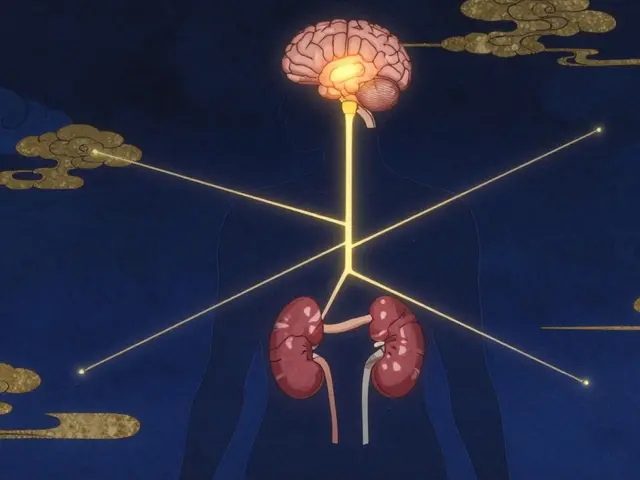
When two drugs affect the same system in your body—like your blood clotting, brain chemistry, or gut absorption—they can team up in ways that make one stronger, weaker, or even dangerous. This is called a pharmacodynamic drug interaction, a type of drug interaction where medications alter each other’s effects at the site of action, not by changing how they’re absorbed or broken down. Also known as direct drug interaction, it’s not about chemistry in your liver—it’s about what happens inside your cells, nerves, or organs. Unlike pharmacokinetic interactions (which deal with how your body processes drugs), pharmacodynamic ones are about the outcome: too much bleeding, drowsiness, or even heart trouble.
These interactions happen all the time. Take warfarin, a blood thinner that prevents clots by blocking vitamin K’s role in clotting. Also known as Coumadin, it’s one of the most common drugs involved in dangerous interactions. When you add a common antibiotic like trimethoprim-sulfamethoxazole, a drug used for urinary and respiratory infections. Also known as Bactrim, it can boost warfarin’s effect so much that your INR spikes, raising your risk of internal bleeding. Or consider magnesium supplements, a mineral often taken for muscle cramps or sleep. Also known as magnesium oxide, it can block your thyroid medication from being absorbed if taken at the same time. Even something as simple as eating more or less spinach on warfarin can throw off your clotting—because vitamin K directly opposes warfarin’s action. These aren’t rare edge cases. They’re everyday risks.
It’s not just antibiotics and vitamins. Antihistamines like Benadryl can slow your reaction time like alcohol, making driving risky. Propranolol can mask low blood sugar symptoms in diabetics. SSRIs can make you more sensitive to other drugs that affect serotonin. And if you’re on a heart medication, mixing it with common painkillers like ibuprofen can trigger a heart attack. The list goes on. What ties them all together? It’s not the drug name—it’s how your body responds when two things hit the same target. That’s the heart of pharmacodynamic interactions.
What you’ll find below are real stories, real data, and real fixes. You’ll learn why your INR jumped after a simple antibiotic, how to time magnesium so it doesn’t ruin your thyroid pill, what foods to keep steady on warfarin, and which over-the-counter meds are safer than others. No fluff. No theory. Just what you need to know to take your meds safely—and avoid the hidden dangers most people never see.