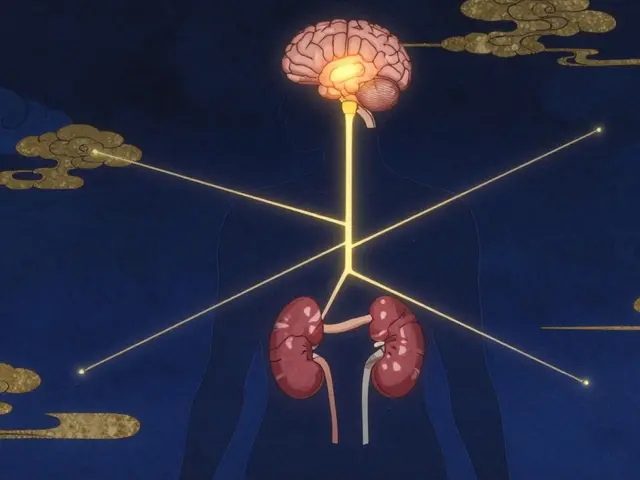
When we talk about medical weight management, a structured approach to losing and maintaining weight using clinical guidance, medications, and lifestyle changes. Also known as obesity treatment, it’s not just about eating less—it’s about fixing the biology behind why weight stays on. Most people think it’s willpower. But for many, it’s hormones, genetics, or medications that interfere with appetite and metabolism. That’s why simply cutting calories often fails—and why medical weight management is growing faster than ever.
One of the biggest shifts in this field is the rise of GLP-1 agonists, a class of drugs originally developed for type 2 diabetes that now lead in weight loss treatment. Also known as weight loss injectables, these medications—like semaglutide and tirzepatide—help reduce hunger, slow stomach emptying, and improve insulin sensitivity. They’re not magic, but they work where diets alone don’t. And they’re changing what’s possible for people with obesity-related conditions like high blood pressure, fatty liver, or sleep apnea. But they’re not the only tool. metabolic health, the state of your body’s ability to process energy efficiently. Also known as insulin sensitivity, it’s the hidden foundation behind sustainable weight loss. If your body can’t use glucose properly, you store fat—even if you’re eating "healthy." That’s why many medical weight programs test for insulin resistance, thyroid function, and vitamin D levels before prescribing anything. You’ll see this in the posts below: how magnesium affects thyroid meds, how warfarin interacts with diet, how antibiotics mess with gut bacteria tied to weight. Everything connects.
Medical weight management isn’t a quick fix. It’s a long-term strategy that includes monitoring drug interactions, adjusting for other conditions, and recognizing that what works for one person might be dangerous for another. You won’t find miracle diets here. But you will find real stories about how people got past plateaus, why some medications failed them, and what actually helped them keep weight off for years. Below, you’ll see how medications, nutrition, and health conditions overlap in ways most doctors don’t have time to explain—and how to use that knowledge to make smarter choices.