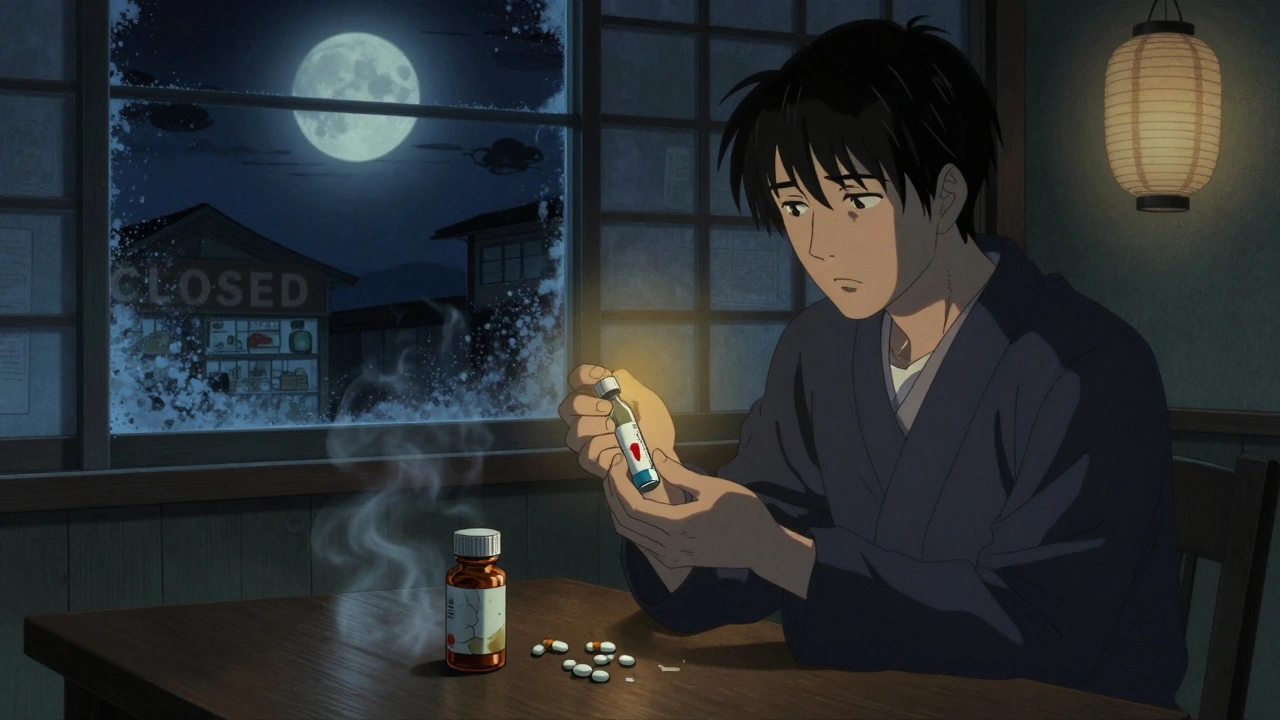
When you find an old bottle of pills in your medicine cabinet, you might wonder: expired pills, medications that have passed their manufacturer-designated expiration date. Also known as out-of-date drugs, they’re not always dangerous—but they’re rarely as effective as they should be. The expiration date isn’t just a marketing trick. It’s the last day the manufacturer guarantees the drug will work at full strength under proper storage conditions. After that, the active ingredients can break down, turning your painkiller into a placebo or your antibiotic into a useless pill.
Some expired pills, medications that have passed their manufacturer-designated expiration date. Also known as out-of-date drugs, they’re not always dangerous—but they’re rarely as effective as they should be. can be risky. Insulin, nitroglycerin, and liquid antibiotics degrade quickly and can become harmful if used after expiration. Even common drugs like warfarin, a blood thinner used to prevent dangerous clots or antibiotics, drugs designed to kill or slow the growth of bacteria can lose potency. If you take an expired antibiotic and it doesn’t fully kill the infection, you’re not just wasting time—you’re training bacteria to resist future treatment. That’s how superbugs start.
Storage matters just as much as the date. Heat, moisture, and sunlight speed up degradation. A pill kept in a bathroom cabinet or a hot car won’t last as long as one stored in a cool, dry drawer. That’s why refrigerated meds like Mounjaro, a weight loss and diabetes medication requiring cold storage or insulin need special care—even before they expire. If your pills look cracked, discolored, or smell weird, toss them. Don’t wait for the date.
You might think it’s fine to use an expired painkiller for a headache. But if you’re on a blood thinner, a medication that prevents dangerous blood clots like warfarin or Eliquis, even a slight drop in potency could mean a clot forms. And if you’re managing a chronic condition like Parkinson’s or thyroid disease, inconsistent drug strength can throw your whole treatment off track. That’s why doctors stress using current, properly stored meds.
What should you do with old pills? Don’t flush them or toss them in the trash. Many pharmacies and police stations offer drug take-back programs. If none are nearby, mix them with coffee grounds or cat litter, seal them in a bag, and throw them out. It’s safer for the environment and keeps kids or pets from finding them.
Below, you’ll find real-world advice on how expired pills interact with other meds, why some drugs are more sensitive than others, and what to do if you accidentally take one. These aren’t hypotheticals—they’re stories from people who learned the hard way. You don’t need to be a pharmacist to stay safe. Just know when to throw something out—and when to call your doctor.