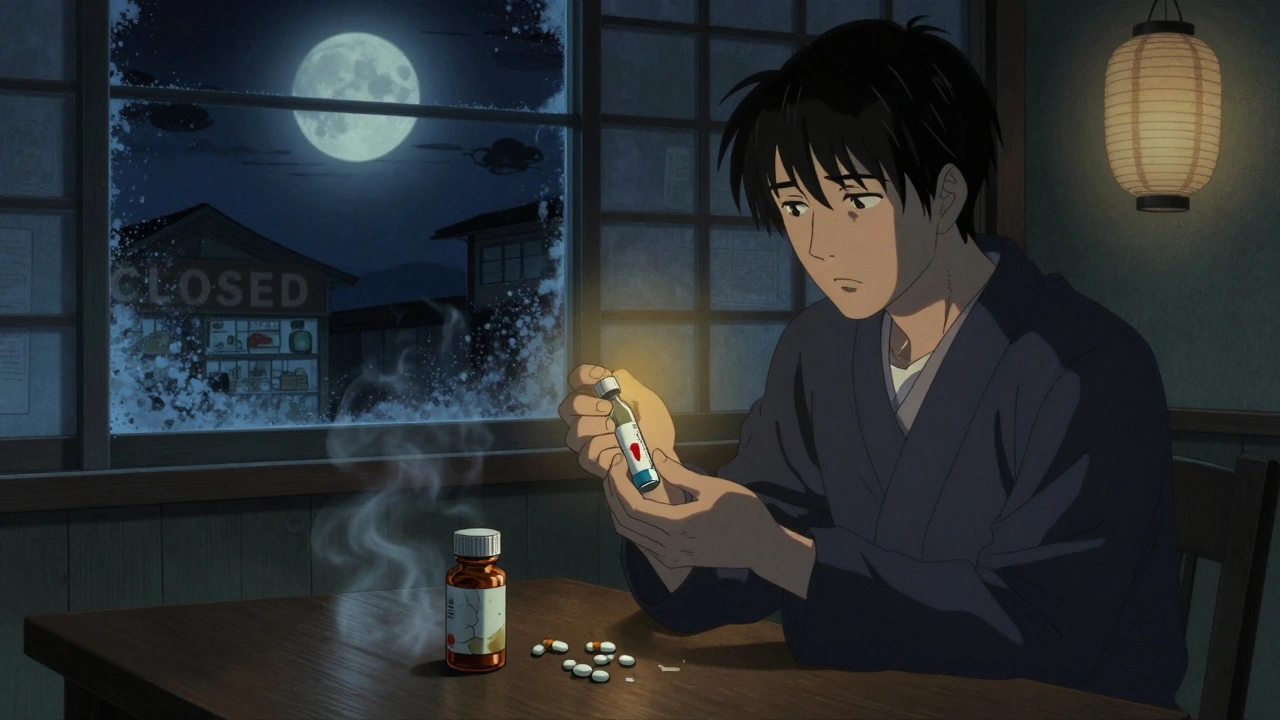
When you find an old bottle of pills in the back of your medicine cabinet, you might wonder: expired medications, drugs past their labeled expiration date that may no longer work as intended or could pose health risks — are they dangerous, or just weak? The truth isn’t as simple as "throw them out." Some pills lose strength over time, while others can break down into harmful substances. The FDA requires expiration dates based on stability testing, but that doesn’t mean every drug turns toxic the day after its date. Still, relying on old medicine — especially for serious conditions like heart disease, epilepsy, or infections — is a gamble you shouldn’t take.
One key related concept is medication storage, how environmental factors like heat, moisture, and light affect drug integrity. A bottle of antibiotics left in a hot bathroom or a bottle of insulin exposed to freezing temperatures can degrade faster than its expiration date suggests. Even if the date hasn’t passed, poor storage can make your medicine useless. Then there’s drug safety, the risk of taking substances that have changed chemically over time. Studies show that certain antibiotics, like tetracycline, can become toxic when expired. Other drugs, like nitroglycerin or epinephrine, must work instantly — if they’ve lost potency, they could fail when you need them most.
Not all expired drugs are equal. Solid pills like aspirin or ibuprofen often stay effective for years past their date if kept dry and cool. Liquid antibiotics, eye drops, and insulin? Not so much. They’re more sensitive to contamination and chemical breakdown. And don’t assume your insurance or pharmacy label is the final word — those dates are often conservative. But when in doubt, especially with life-saving meds, treat expiration dates as hard stops. The FDA and pharmacists agree: if you’re unsure, dispose of it safely. You’re not saving money by risking your health.
What you’ll find below are real, practical guides on how expired medications connect to everyday health decisions — from how warfarin’s effectiveness drops over time, to why storing thyroid meds near the shower ruins them, to how antibiotics like Bactrim can turn risky if taken after their date. These aren’t theoretical warnings. They’re based on what actually happens in people’s medicine cabinets, and what doctors see in emergency rooms when things go wrong. Whether you’re managing chronic illness, caring for an elderly parent, or just trying to clean out your medicine cabinet, this collection gives you the facts you need to act — not guess.