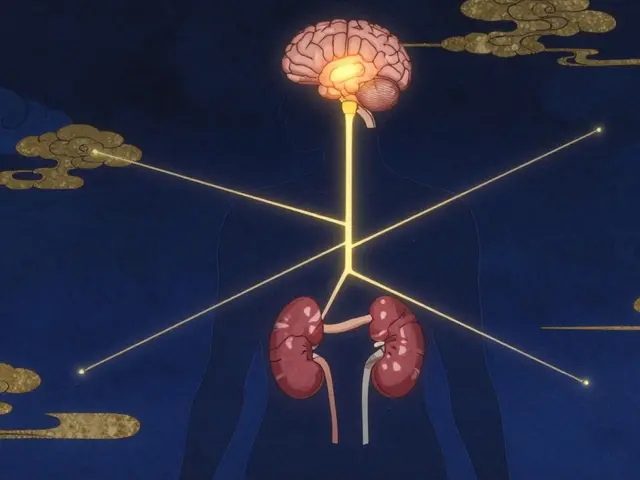
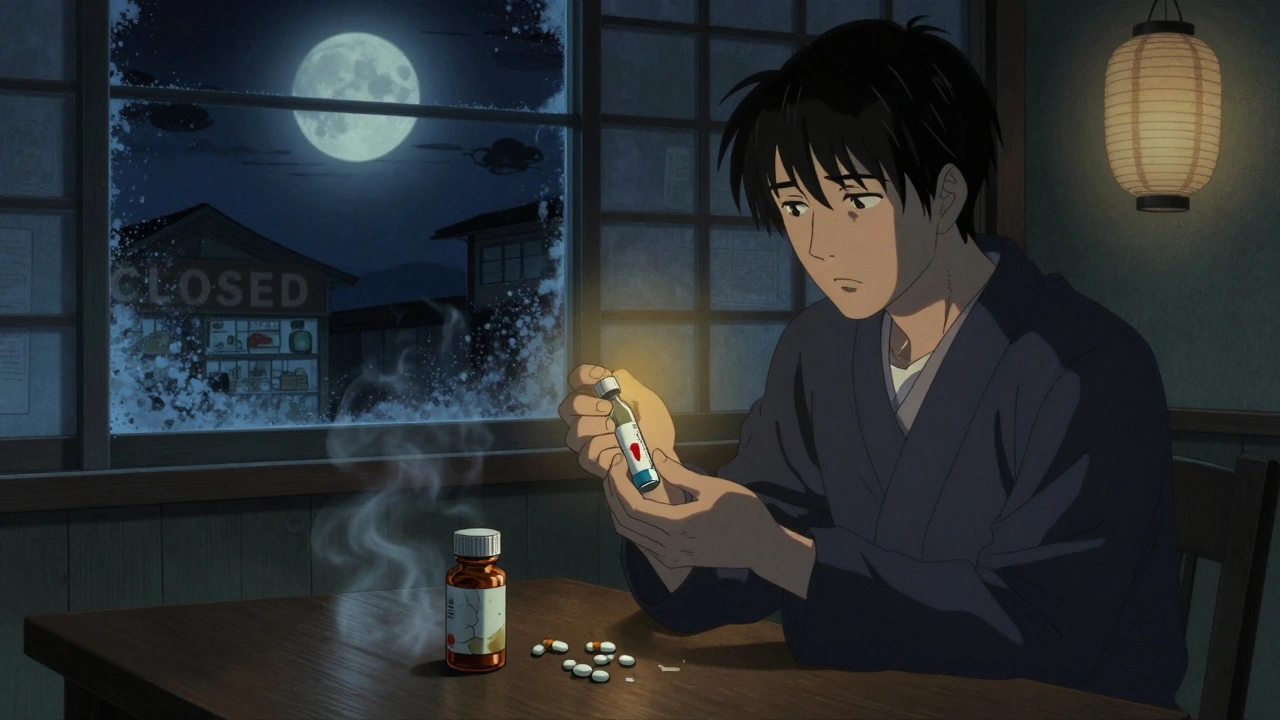
When something goes wrong fast—bleeding that won’t stop, a sudden drop in blood pressure, or a severe allergic reaction—emergency medication, a drug kept on hand to treat sudden, life-threatening conditions isn’t just helpful, it’s essential. These aren’t daily pills you take for comfort. They’re the tools that buy you time until help arrives. Whether it’s an epinephrine auto-injector for anaphylaxis, naloxone for an opioid overdose, or a blood thinner reversal agent, the right medication at the right moment can save a life.
But emergency medication isn’t just about having it nearby. It’s about knowing when to use it—and when not to. For example, someone on warfarin, a blood thinner used to prevent dangerous clots might need to recognize signs of blood thinner bleeding, uncontrolled bleeding caused by anticoagulants before it becomes an anticoagulant emergency, a medical crisis requiring immediate intervention. A small nosebleed? Maybe not urgent. Blood in the urine, vomiting blood, or a headache that feels like your head is splitting open? That’s when you act. And if you’re on warfarin, you also need to know which drugs can make bleeding worse—like antibiotics such as Bactrim, which can spike your INR overnight. One wrong combo turns a routine prescription into a danger zone.
Most people don’t think about emergency medication until they need it. But by then, it’s too late to learn. The real risk isn’t running out of pills—it’s not knowing how they interact with your other meds. A magnesium supplement might mess with your thyroid drug. An antihistamine could slow your reaction time so much you can’t drive safely. Even something as simple as vitamin K-rich greens can throw off your clotting if you suddenly eat more or less than usual. These aren’t abstract concerns. They’re daily decisions that can lead to emergency rooms. The posts below cover exactly these moments: how to spot a bleeding crisis, why certain antibiotics are dangerous with blood thinners, what to do when your meds clash, and how to prepare so you’re never caught off guard.