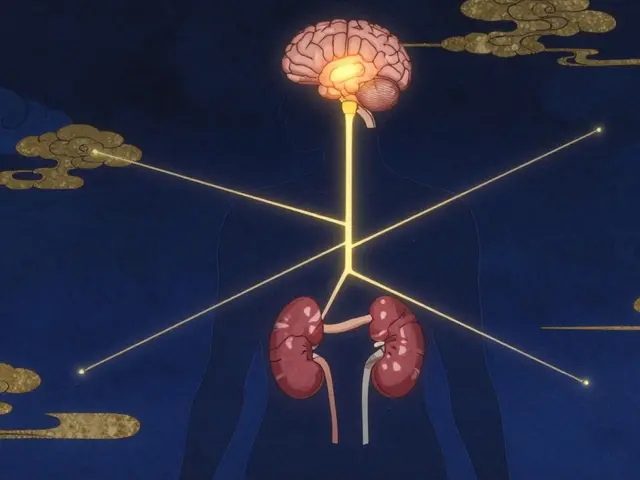
When your brain gets too much serotonin, a natural chemical that helps regulate mood, sleep, and digestion. Also known as serotonin toxicity, it can turn a routine medication combo into a medical emergency. This isn’t just about feeling "a little off"—it’s a real, fast-moving condition that can cause high fever, seizures, and even death if ignored. It doesn’t take much: mixing just two common drugs, like an SSRI and a cold medicine, can push serotonin levels past the safety line.
SSRIs, a class of antidepressants that increase serotonin in the brain are the most common culprit, but they’re not alone. Other drugs like tramadol, certain migraine meds, MDMA, and even St. John’s wort can add fuel to the fire. The real danger? Many people don’t realize they’re stacking these together. You might be on fluoxetine for depression, then take dextromethorphan for a cough—and suddenly your body is stuck in overdrive. Symptoms start mild: shivering, restlessness, or a rapid heartbeat. Then they escalate fast—muscle rigidity, confusion, high blood pressure. If you’re on any antidepressant and start feeling unusually hot, jittery, or confused, don’t wait. This isn’t anxiety. It’s serotonin syndrome, a pharmacodynamic interaction where drugs amplify each other’s effects at the receptor level.
What makes this even trickier is that doctors don’t always connect the dots. A patient might mention they’re taking Zoloft and then later say they picked up a new painkiller—no one thinks to ask if they’ve had any unusual symptoms. But the data is clear: serotonin syndrome is underdiagnosed and often mistaken for infections, heatstroke, or drug withdrawal. The good news? If caught early, it’s treatable. Stopping the offending drugs and getting supportive care can reverse it in hours. The bad news? If you don’t know what to look for, it can slip through the cracks.
Looking through the posts here, you’ll see how often this topic ties into other common issues. People on warfarin, a blood thinner might be prescribed antibiotics that interact with their meds. Those using magnesium supplements, often taken for sleep or muscle cramps might not realize their thyroid meds need spacing. And then there’s the growing use of GLP-1 weight loss drugs, like semaglutide—some of which can also affect serotonin pathways. This isn’t a niche problem. It’s a quiet, widespread risk hiding in plain sight.
You’ll find real stories here—about people who thought their tremors were just stress, only to learn it was serotonin overload. Others who took an OTC sleep aid with their antidepressant and ended up in the ER. These aren’t rare cases. They’re preventable. The goal of the posts below is to give you the tools to spot the red flags, understand which combinations are risky, and know when to speak up—before it’s too late. This isn’t about fear. It’s about awareness.