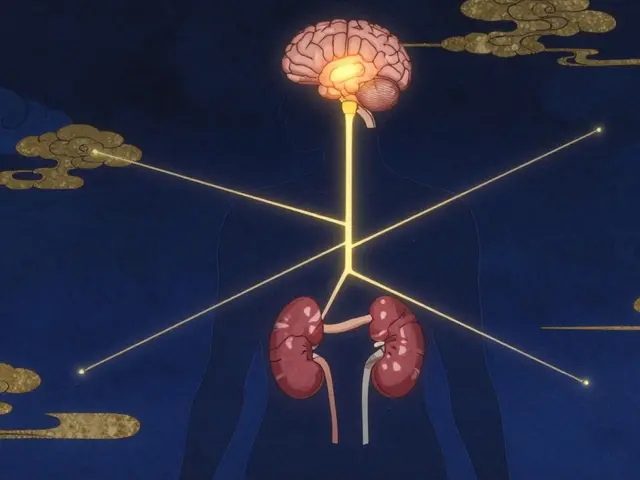
When you take a NSAID, a nonsteroidal anti-inflammatory drug used for pain and inflammation, including ibuprofen, naproxen, and aspirin. Also known as non-opioid painkillers, they’re among the most common medications people use daily — but they aren’t harmless, especially when mixed with heart drugs, medications prescribed to manage conditions like high blood pressure, heart failure, or abnormal heart rhythms.
Many people don’t realize that taking an NSAID while on a blood thinner like warfarin or a newer anticoagulant like Eliquis can raise your risk of internal bleeding. Even more subtle is how NSAIDs can make blood pressure meds less effective. If you’re on lisinopril, metoprolol, or similar drugs, popping an ibuprofen for a headache might undo weeks of careful control. Studies show that regular NSAID use can increase systolic blood pressure by 5 to 10 points in people already managing hypertension. That’s not a small bump — it’s enough to push someone into danger zone.
Aspirin is the exception, but only in low doses. It’s often prescribed for heart protection because it thins blood differently than other NSAIDs. But if you’re taking it daily for your heart and then add naproxen for arthritis pain, you’re not just doubling up on pain relief — you’re increasing your chance of stomach bleeding and kidney stress. And if you have heart failure, NSAIDs can cause fluid retention, making your heart work harder and worsening symptoms like swelling and shortness of breath.
People over 65, those with kidney disease, or anyone on multiple heart medications are at the highest risk. Yet many still grab an OTC pill without thinking twice. Your pharmacist might ask if you’re on blood pressure meds — but they won’t always know you’re taking them. That’s why it’s crucial to bring up every pill you use, even the ones you think are "just for aches."
The good news? You don’t have to suffer in pain. There are safer ways to manage joint pain or headaches when you’re on heart drugs. Acetaminophen is often a better choice, though it’s not perfect. Physical therapy, heat packs, or even low-dose antidepressants for nerve pain can help reduce reliance on NSAIDs. And if you’ve been taking them long-term, your doctor can help you taper off safely.
Below, you’ll find real-world comparisons and case-based advice on how NSAIDs interact with common heart medications — from beta blockers to blood thinners. You’ll see which combinations are risky, which are manageable, and what alternatives actually work without putting your heart at risk.