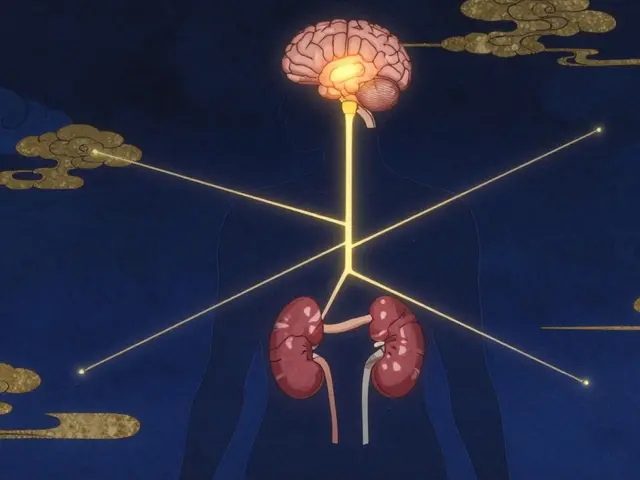
When you take more than one medication, you’re not just adding effects—you’re creating a chemical conversation inside your body. Medication interactions, happen when two or more drugs affect each other’s action, leading to reduced effectiveness, stronger side effects, or even dangerous outcomes. Also known as drug interactions, they’re one of the most common causes of preventable hospital visits. This isn’t just about mixing pills randomly. Even something as simple as eating a high-protein meal can block how well your Parkinson’s medication works, or drinking grapefruit juice can turn a common blood pressure pill into a health risk.
Take blood thinners, medications like warfarin, Eliquis, or Xarelto that stop clots but also raise bleeding risk. Also known as anticoagulants, they’re especially sensitive to other drugs and even some foods. If you’re on one of these and start taking an over-the-counter painkiller like ibuprofen, you’re doubling your chance of internal bleeding. Same goes for mixing antihistamines, allergy pills like Benadryl or Zyrtec that calm immune reactions but also cause drowsiness or dry mouth. Also known as H1 blockers, they can become dangerous when combined with sedatives, alcohol, or even some antidepressants. The result? You might not just feel sleepy—you could pass out, fall, or crash a car.
And it’s not just prescription and OTC drugs. Supplements like magnesium or vitamin D, often taken for sleep or pain, can interfere with antibiotics or thyroid meds. Even something as common as levodopa, the main treatment for Parkinson’s that helps restore movement. Also known as L-DOPA, it’s easily blocked by protein-rich meals, making symptoms worse if you eat steak right before your dose. That’s why timing matters more than you think.
These aren’t rare edge cases. They’re everyday risks. The posts below cover real examples: how Cushing’s syndrome meds interact with other hormones, why propranolol can clash with asthma drugs, how famotidine affects other stomach meds, and why switching from Coumadin to Eliquis isn’t just a brand change—it’s a whole new safety playbook. You’ll find guides on what to ask your pharmacist, how to spot hidden interactions before they hurt you, and what to do if you’re already taking a risky mix. No fluff. No theory. Just what works, what doesn’t, and what you need to know before your next pill.