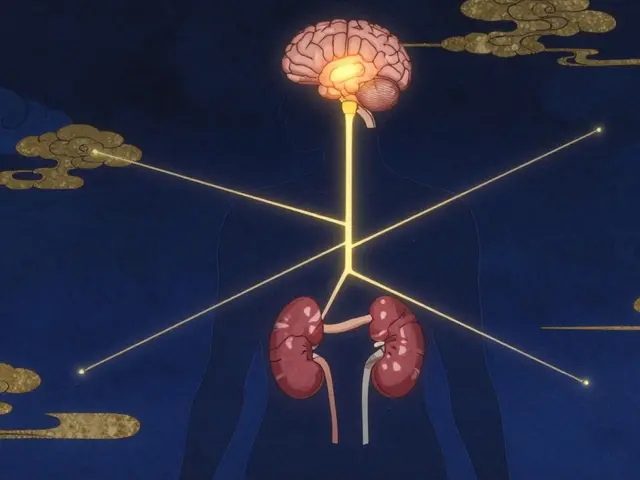
When someone is diagnosed with breast cancer treatment, a personalized approach to stopping cancer growth using surgery, drugs, or radiation. Also known as cancer therapy, it’s not one-size-fits-all—what works for one person might not be right for another. The goal isn’t just to remove the tumor, but to stop it from coming back and to protect your quality of life while doing it.
Chemotherapy, a drug treatment that kills fast-growing cells, including cancer is often used before or after surgery, especially for aggressive types. It doesn’t just target the breast—it travels through your whole body. Side effects like fatigue, hair loss, or nausea are common, but they’re usually temporary. Hormone therapy, used when cancer feeds on estrogen or progesterone works differently—it doesn’t kill cells, it starves them. Drugs like tamoxifen or aromatase inhibitors can be taken for years after surgery to lower the chance of recurrence. Then there’s targeted therapy, drugs that lock onto specific proteins or genes in cancer cells, like HER2 blockers. These are more precise, often with fewer side effects than chemo, but only work if your cancer has the right markers.
Radiation therapy isn’t just for advanced cases—it’s routine after a lumpectomy to zap any leftover cells in the breast or nearby lymph nodes. It’s localized, so your body doesn’t feel the full blast like with chemo. And for some, surgery alone is enough, especially if the tumor is small, slow-growing, and caught early. The real challenge? Deciding what’s right for you. It’s not just about survival—it’s about how you’ll feel during and after treatment. Can you handle daily chemo infusions? Do you want to avoid long-term hormone side effects like joint pain or bone thinning? Are you willing to take pills for five years? These aren’t just medical questions—they’re personal ones.
What you’ll find below are real, practical guides from people who’ve been through it. Not theory. Not brochures. Actual advice on managing side effects, timing treatments with work or family, understanding test results, and knowing when to push back on a doctor’s plan. You’ll see how hormone therapy affects sleep, why some skip chemo entirely, and what targeted drugs really cost out-of-pocket. No fluff. No scare tactics. Just what works, what doesn’t, and what no one tells you until you’re in the middle of it.