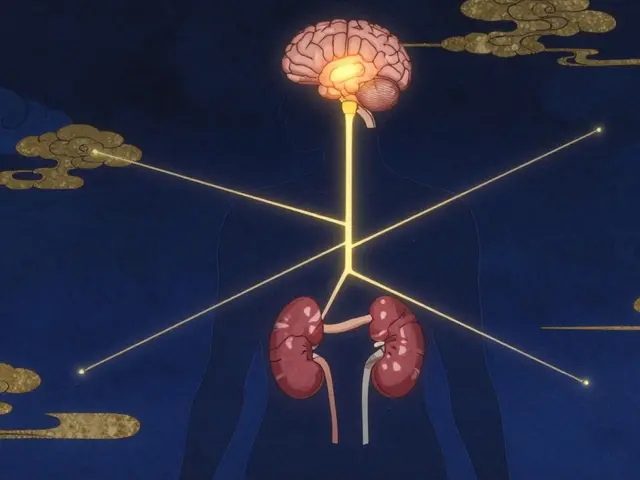
When you stop taking an antidepressant, a medication used to treat depression and anxiety by balancing brain chemicals like serotonin. Also known as antidepressant discontinuation syndrome, it’s not a relapse — it’s your nervous system reacting to the sudden drop in drug levels. Many people think once they feel better, they can just quit. But that’s when the real trouble starts. Up to 80% of people who stop SSRIs abruptly experience some form of withdrawal, even if they’ve only been on the drug for a few weeks.
SSRI discontinuation, the specific reaction when stopping selective serotonin reuptake inhibitors like sertraline or fluoxetine. Also known as SSRI withdrawal, it can cause dizziness, electric shock sensations in the head, nausea, insomnia, and intense mood swings — sometimes within hours of missing a dose. These aren’t "in your head." They’re physical changes in your brain’s serotonin receptors trying to readjust. The same thing happens with SNRIs like venlafaxine, and even with older antidepressants like tricyclics. The faster you stop, the worse it gets. That’s why doctors push for tapering. Cutting your dose slowly over weeks or months gives your brain time to rebuild its natural balance. Skipping this step isn’t bravery — it’s risky.
Withdrawal symptoms, the physical and emotional reactions that follow stopping antidepressants too quickly. Also known as antidepressant withdrawal syndrome, they vary wildly: some people feel like they’ve got the flu; others describe brain zaps that feel like a short circuit in their skull. Anxiety spikes, nightmares, and even derealization can happen. These aren’t signs your depression is coming back — they’re signs your body is adapting. And they’re avoidable if you plan ahead. The posts below cover real cases: how one person managed SSRI withdrawal with a 10% weekly taper, why some people need to switch to a longer-acting antidepressant before stopping, and what to do if you’re stuck with expired pills and no doctor. You’ll also find advice on managing insomnia during withdrawal, why certain supplements might help (and others won’t), and how to tell if what you’re feeling is withdrawal — or something worse.
If you’re thinking about stopping, don’t guess. Don’t rely on forums. The right approach isn’t one-size-fits-all — it’s based on your drug, your dose, your body, and your history. The information here isn’t theory. It’s from people who’ve been there, doctors who’ve seen the fallout, and data that shows what actually works. What you read below could save you from weeks of unnecessary suffering.