When it comes to your health, medication safety, the practice of using drugs correctly to avoid harm while getting real results. Also known as drug safety, it’s not just about taking pills as directed—it’s about understanding how they interact with your body, your diet, and even your culture. This month’s collection dives deep into the hidden risks most people never think about, like how a simple magnesium supplement can block your thyroid medicine, or why so many people think they’re allergic to penicillin when they’re not.
Drug interactions, when two or more medications affect each other in dangerous or useless ways. Also known as medication conflicts, they’re behind many avoidable hospital visits. One post breaks down the top dangerous pairings for heart meds—like how common painkillers can trigger heart attacks if taken with blood thinners. Another shows how antibiotic side effects, gut problems like diarrhea that follow antibiotic use. Also known as antibiotic-associated diarrhea, they’re often preventable with the right probiotic timing. And it’s not just about what you take—it’s when. Magnesium, thyroid meds, levodopa for Parkinson’s, even heartburn drugs during pregnancy—all need precise spacing to work. Miss the window by an hour, and your treatment fails.
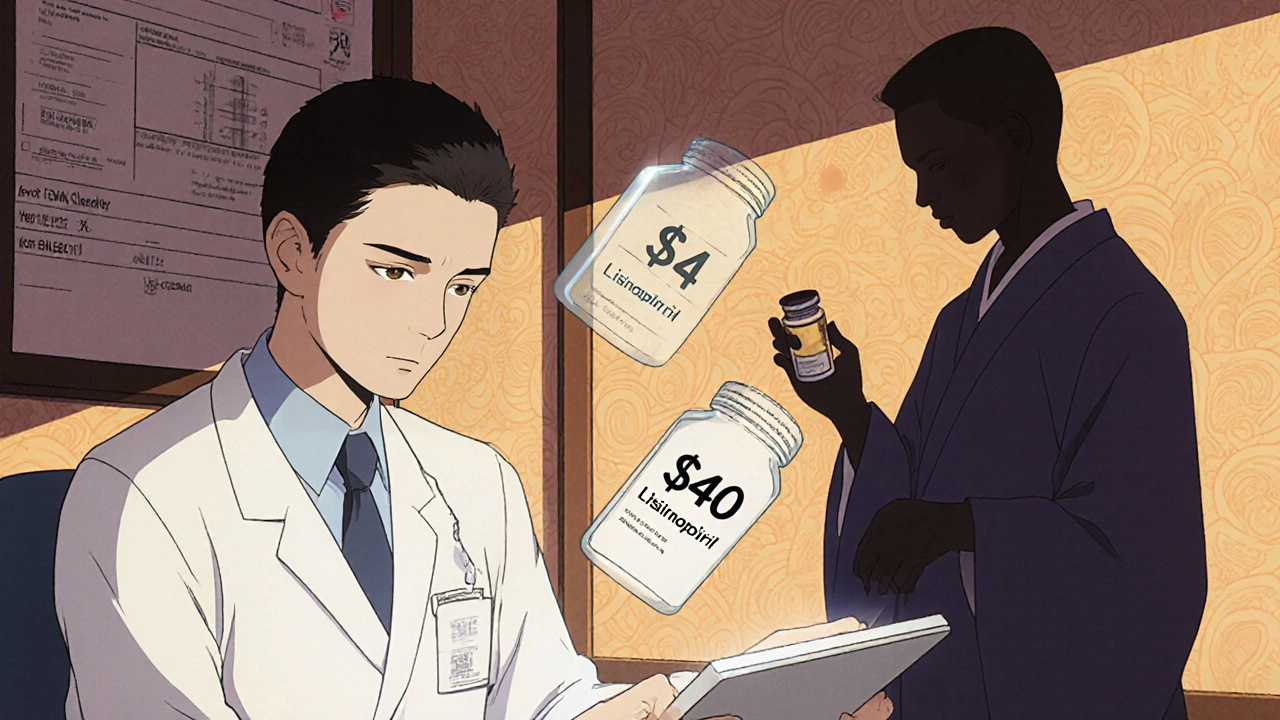
Vitamin deficiencies, low levels of key nutrients that silently cause fatigue, pain, and sleep loss. Also known as nutrient gaps, they’re hiding in plain sight. Two posts link low vitamin D and B12 to chronic pain and insomnia, not just as side notes but as root causes. Fixing them doesn’t mean popping more pills—it means adjusting diet, timing, and sunlight exposure. Meanwhile, doctors often don’t know how much your meds cost, and insurance rules around online generics are changing fast. You’re not just a patient—you’re a decision-maker in a system designed to make you passive.
From blood thinners, drugs like warfarin and Eliquis that prevent clots but carry bleeding risks. Also known as anticoagulants, they’re life-saving if used right. to how to keep insulin cool while traveling, this archive gives you the tools to ask better questions, spot red flags, and take control. No hype. No guesswork. Just clear, tested advice from real cases—like why getting tested for a penicillin allergy could save you thousands in unnecessary antibiotics, or how a simple change in protein timing can make Parkinson’s meds work again. What you’ll find below isn’t a list of articles. It’s a toolkit for staying safe, saving money, and understanding your own body better than ever before.