
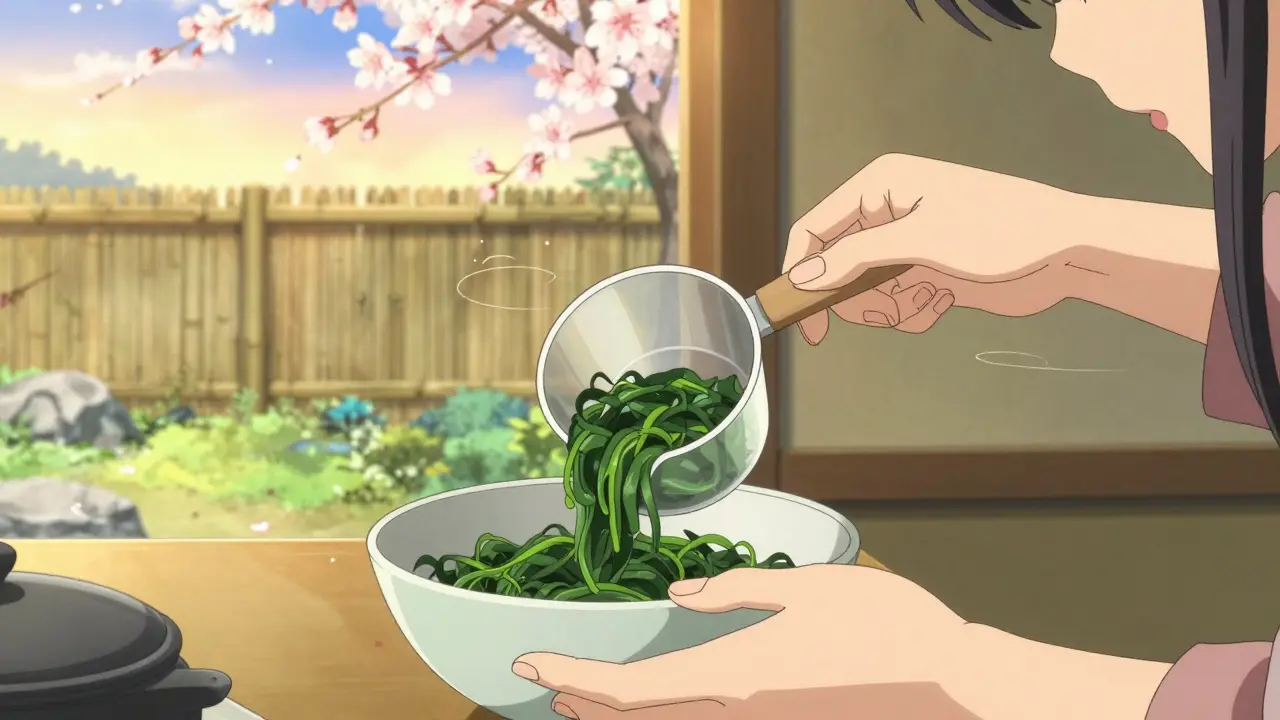
Warfarin is a blood thinner medication that blocks vitamin K recycling. Vitamin K from foods like spinach and broccoli counteracts this effect. For patients on warfarin, maintaining consistent INR control isn't about avoiding Vitamin K-it's about keeping intake steady. Every time you eat a salad, your warfarin dose could be affected. It's not about avoiding vegetables-it's about keeping your Vitamin K intake steady. For people on blood thinners like warfarin, this simple rule makes all the difference in keeping INR levels safe.
Why Vitamin K Matters for Warfarin Users
Warfarin works by blocking vitamin K recycling in your body. This process is crucial for making clotting factors-proteins that help your blood form clots. Without enough vitamin K, these clotting factors don't work properly, which slows down clotting. But here's the catch: eating vitamin K-rich foods counteracts warfarin's effect. If you suddenly eat more vitamin K than usual, your INR drops, increasing clotting risk. If you eat less, your INR rises, raising bleeding risk. The key is consistent intake, not elimination.
Research from the American College of Chest Physicians (2008) shows therapeutic INR ranges vary by condition: 2.0-3.0 for most blood clots, or 2.5-3.5 for mechanical heart valves. Even small changes in vitamin K intake can push your INR out of range. A study in Thrombosis and Haemostasis (2010) found patients consuming over 250 µg of vitamin K daily needed 17% higher warfarin doses than those eating less than 150 µg. That's why consistency matters more than restriction.
Top Vitamin K-Rich Foods You Should Know
Not all foods affect warfarin equally. The American Heart Association categorizes foods based on vitamin K content per serving:
| Food | Vitamin K (mcg per serving) | Category |
|---|---|---|
| Cooked spinach | 889 | High |
| Cooked kale | 547 | High |
| Cooked broccoli | 220 | High |
| Brussels sprouts (cooked) | 219 | High |
| Cabbage (cooked) | 102 | Medium |
| Iceberg lettuce | 17 | Low |
| Carrots | 8 | Low |
High-vitamin K foods (60+ mcg per serving) like spinach and kale can significantly impact your INR. Consistency matters more than avoiding them entirely. A study in Thrombosis and Haemostasis (2010) found patients consuming over 250 µg daily needed 17% higher warfarin doses than those eating less than 150 µg. This shows how critical daily consistency is.

How to Keep Vitamin K Intake Consistent
Start by measuring portions. Use a measuring cup for cooked greens-1 cup of spinach has 889 mcg, while 1 cup of lettuce has just 17 mcg. Apps like CoumaDiet (rated 4.6/5 on Apple App Store) track daily vitamin K intake and alert you to inconsistencies. The Anticoagulation Forum recommends staying within 10% daily variation. For example, if you eat 200 mcg one day, aim for 180-220 mcg the next.
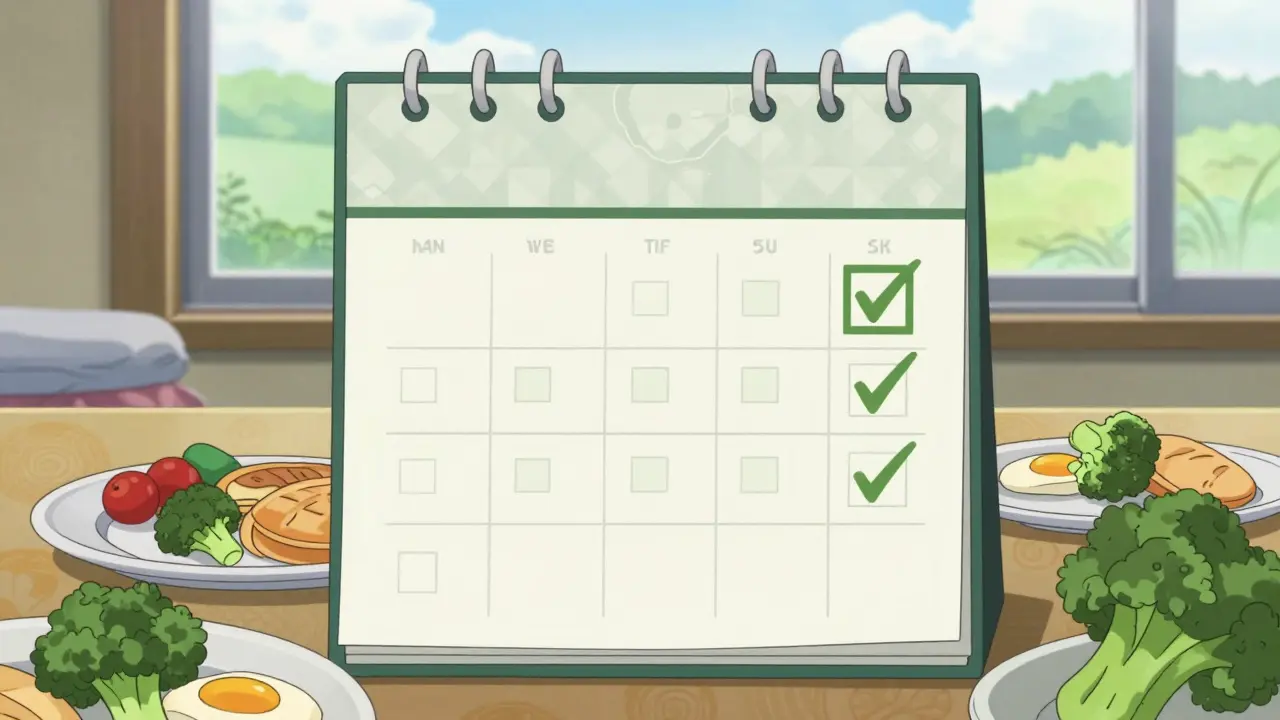
Meal planning helps too. If you love kale, eat the same amount every day. Swap between different high-vitamin K foods (like broccoli one day, Brussels sprouts the next) as long as the total stays consistent. A 2022 study in the Journal of Thrombosis and Thrombolysis found patients who ate exactly 1 cup of cooked broccoli daily for six months achieved 92% time in therapeutic range (TTR). That's significantly better than the 34% TTR seen in patients with inconsistent intake.
Common Mistakes and How to Avoid Them
Restaurant meals are a major pitfall. A single salad at a chain restaurant might contain 3 cups of spinach (2,667 mcg), while your usual home meal has 1 cup. This caused one user's INR to drop from 2.8 to 1.9 after eating kale at a fast-casual chain, requiring a 15% warfarin dose increase. Always ask how salads are prepared. Request "no extra greens" or "light dressing" to control portions.
Another mistake is skipping meals. If you skip breakfast with spinach smoothies but eat kale at lunch, your vitamin K intake becomes erratic. The Blood Clot Organization's 2022 survey found 63% of INR-related ER visits happened during travel or irregular eating. Pack pre-measured snacks like baby carrots or cucumber slices for consistency. They're low-vitamin K (8 mcg per cup) and easy to carry.
What to Do When Your INR Fluctuates
If your INR jumps above 3.5 (high bleeding risk), contact your doctor immediately. They might temporarily lower your warfarin dose. For INR below 2.0 (high clotting risk), they may increase your dose or recommend a short vitamin K supplement. The American Heart Association notes that 100-200 mcg of oral vitamin K can return high INR to normal within 7 days in 83% of cases.
Never adjust warfarin yourself. A 2021 Journal of Thrombosis and Haemostasis study showed 78% of INR fluctuations linked to dietary changes were preventable with professional guidance. Schedule monthly INR checks and consult a dietitian specializing in anticoagulation. They can create personalized meal plans based on your habits and preferences.
Frequently Asked Questions
Can I eat spinach while taking warfarin?
Yes, but you must eat the same amount daily. Spinach has 889 mcg per cup cooked-eating 1 cup every day is safer than eating 3 cups one day and none the next. Consistency matters more than avoiding it entirely.
Does cooking affect vitamin K in foods?
Yes, boiling reduces vitamin K by 30-50% compared to steaming. For example, raw spinach has 145 mcg per cup, but cooked spinach has 889 mcg. Always measure cooked portions for accuracy. Use the same cooking method each time to keep intake consistent.
Should I avoid all leafy greens?
No. Leafy greens like spinach and kale are healthy. The problem is inconsistent intake, not the foods themselves. Aim for 1-2 servings daily of the same high-vitamin K foods. A 2023 Blood Advances study showed daily 150 mcg vitamin K supplementation actually stabilizes INR in patients with erratic diets.
How long does it take to stabilize INR with diet changes?
Most patients need 2-4 weeks to establish consistent intake patterns. The Canadian Journal of Cardiology (2020) found structured dietary education reduces INR instability by 37% in this timeframe. Track your meals daily and check INR weekly during this adjustment period.
What's the difference between Vitamin K1 and K2?
Phylloquinone (K1) comes from plants like spinach and broccoli. Menaquinones (K2) come from animal products and fermented foods. Warfarin mainly interacts with K1. K2 has less impact on INR, but consistency still matters. Stick to the same K1 sources daily for predictable results.


Stay consistent. Your INR will thank you.
Consistency in vitamin K intake is non-negotiable. The FDA should regulate restaurant portions. Americans are too lazy to manage their health.
Warfarin inhibits vitamin K recycling affecting clotting factors II VII IX X Consistent intake prevents INR fluctuations Skipping meals is dangerous
Traveling with warfarin is easy if you plan ahead. I always pack baby carrots and cucumber slices-they're low in vitamin K and easy to carry. Consistency is key whether you're at home or abroad. Just keep your portions steady!
Hey everyone I've been on warfarin for 5 years and this post really helped me. I used to skip meals but now I plan ahead My INR is stsy. Just remember to eat the same amount of greens daily Oh and watch out for restaurants they can sneak in extra spinach
Pharmaceutical companies hide the truth about vitamin K alternatives. The FDA is in cahoots with Big Pharma. They want you to believe that vitamin K is the problem when it's actually the medication itself. Did you know that vitamin K2 is actually safer? But they don't tell you that. The studies are manipulated. The data is falsified. I've seen it myself. The government is covering up the truth. You need to read the raw data. It's all there if you look hard enough. Don't trust mainstream medicine. They're lying to you. The real solution is natural supplements. But they don't want you to know that. This is why we need transparency. Wake up people!
I've been using CoumaDiet app and it's been helpful. Consistency is key for INR control. Tracking portions makes a big difference. Always check restaurant meals for hidden greens.
Warfarin is a dangerous drug. The studies are manipulated. Pharma is lying. Read the raw data. The FDA is covering up the truth. Wake up people!
The FDA should ban warfarin. Inconsistent intake is not the issue. The medication itself is flawed. Read the raw data. The studies are manipulated. Pharma is lying. Wake up people!
I've worked with many patients on warfarin for over a decade and consistency in vitamin K intake is absolutely crucial. Even small changes can cause dangerous INR fluctuations. Measure your portions carefully-1 cup of cooked spinach has 889 mcg while lettuce is only 17 mcg. Use apps like CoumaDiet to track daily intake and avoid surprises. Restaurant meals are a major pitfall; always ask about ingredients. Skipping meals disrupts consistency-pack low-K snacks like carrots. A 2022 study in the Journal of Thrombosis and Thrombolysis showed patients eating exactly 1 cup of broccoli daily achieved 92% time in therapeutic range versus 34% for inconsistent eaters. Don't avoid greens altogether; it's about steady intake. Consult a dietitian specializing in anticoagulation for personalized plans. Monitor INR weekly during adjustments. Remember, the goal is stability not elimination. Small daily habits make all the difference. Trust the process and stay consistent. Your doctor and I are here to help you succeed. Consistency isn't hard-it's just a matter of planning.
Americans don't know how to eat properly We need stricter regulations on vitamin K in foods This is why our healthcare system is broken
I've been on warfarin for 3 years Tracking vitamin K intake has been a game-changer Apps like CoumaDiet help but consistency is still the most important factor Don't skip meals