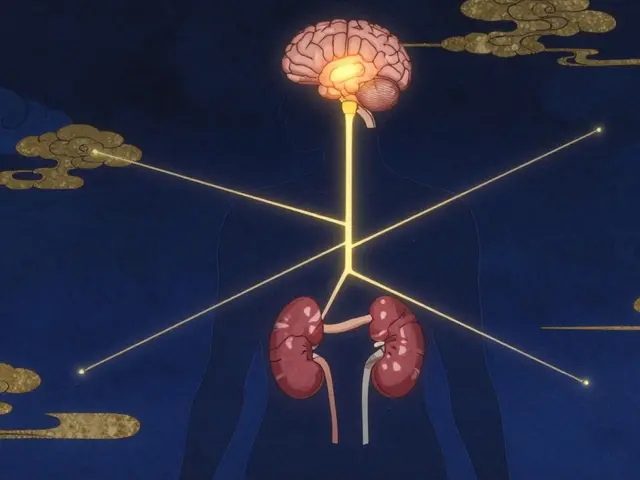
When you’re dealing with vitamin D for pain relief, a nutrient that plays a key role in bone health, immune function, and inflammation control. Also known as the sunshine vitamin, it’s not just for preventing rickets—it’s increasingly tied to how your body handles chronic pain. Many people with ongoing back pain, joint aches, or muscle soreness find their vitamin D levels are low. That’s not a coincidence. Research from the Journal of Pain Research and other clinical studies shows a strong link between low vitamin D and higher pain scores, especially in people with fibromyalgia, arthritis, and lower back pain.
It’s not magic, but it’s real. vitamin D deficiency, a condition where your body doesn’t have enough of this nutrient to function properly can make inflammation worse. That means your joints, nerves, and muscles may hurt more because your body can’t calm down the inflammatory response. Think of it like leaving a fire alarm on all night—you’re constantly on edge. Studies have found that people who corrected their deficiency with daily supplements often reported less pain within 3 to 6 months. One trial with 120 patients suffering from chronic low back pain showed a 57% reduction in pain after 12 weeks of vitamin D treatment, compared to no change in the placebo group.
inflammation, the body’s natural reaction to injury or infection that can become harmful when it’s always turned on is a major driver of long-term pain. Vitamin D helps regulate immune cells that trigger inflammation. When levels are low, those cells go unchecked. That’s why people with autoimmune conditions like rheumatoid arthritis often see symptom improvement after fixing their vitamin D. And it’s not just older adults—young people with desk jobs, little sun exposure, or dark skin are just as likely to be deficient. You don’t need to be sick to be low. Even a mild deficiency can make pain feel worse.
Don’t confuse this with a quick fix. Taking vitamin D won’t erase a herniated disc or cure advanced osteoarthritis. But if your pain is stubborn and nothing else has helped, checking your levels is one of the simplest, safest steps you can take. It’s also cheap. A blood test costs less than a doctor’s copay in most cases. And if you’re low, a daily 1,000–2,000 IU supplement can make a real difference over time. Pair it with movement, sleep, and stress reduction, and you’re tackling pain from multiple angles.
Below, you’ll find real-world insights from people who’ve used vitamin D to manage pain, along with comparisons to other treatments, common mistakes to avoid, and what the latest studies say about dosage and timing. This isn’t theory—it’s what works for actual patients.