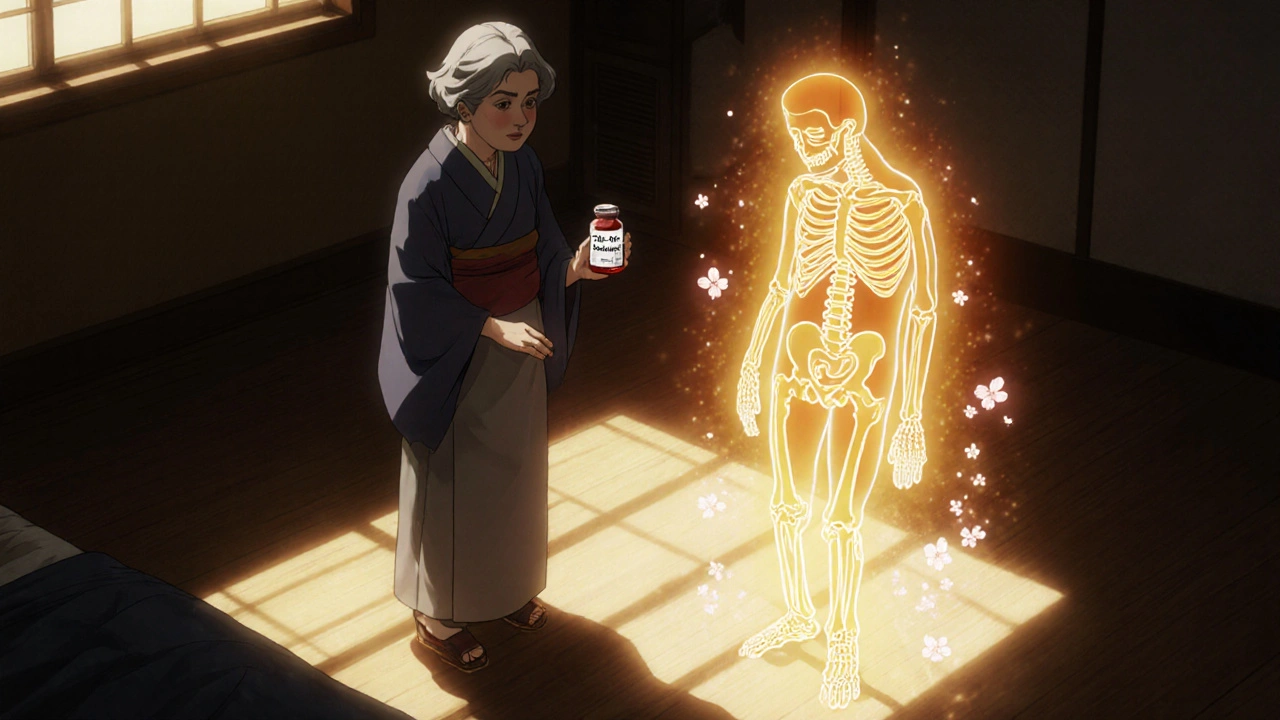
When your body lacks vitamin D, a fat-soluble nutrient critical for bone health, immune function, and muscle performance. Also known as the sunshine vitamin, it’s not just about preventing rickets—it plays a direct role in how your nerves and muscles feel pain. Many people with ongoing muscle aches, back pain, or joint stiffness don’t realize their discomfort could be tied to low vitamin D levels. It’s not just a supplement for bones; it’s a silent regulator of inflammation and nerve signaling.
Studies show people with vitamin D deficiency, a condition where blood levels fall below 20 ng/mL are far more likely to report chronic pain than those with adequate levels. This isn’t random—it’s biological. Vitamin D helps control the production of inflammatory chemicals in your body. When levels drop, those chemicals go unchecked, leading to swollen joints, tender muscles, and even nerve pain that feels like tingling or burning. You might think it’s arthritis, fibromyalgia, or just aging—but a simple blood test could reveal it’s as simple as a vitamin gap.
The connection gets even clearer when you look at chronic pain, persistent discomfort lasting longer than three months. People with conditions like lower back pain, osteoarthritis, or fibromyalgia often have significantly lower vitamin D than healthy controls. And when they take supplements, many report real improvements—not a cure, but less pain, better mobility, and fewer bad days. It’s not magic. It’s biochemistry. Your muscles need vitamin D to contract properly. Your nerves need it to stop sending false pain signals. Your immune system needs it to stop attacking your own tissues.
It’s not just about taking a pill. Sunlight, diet, and skin tone all affect how much vitamin D your body makes. People with darker skin, older adults, those who stay indoors, or live far from the equator are at higher risk. And here’s the catch: many doctors don’t test for it unless you have bone problems. But if you’ve got unexplained pain that won’t quit, it’s worth asking.
Below, you’ll find real stories and science-backed insights from people who’ve dealt with this exact issue. Some found relief after fixing their vitamin D. Others discovered it was just one piece of a larger puzzle—like low magnesium, poor sleep, or hidden inflammation. These aren’t guesswork articles. They’re practical, tested guides that connect the dots between what you’re feeling and what’s happening inside your body.