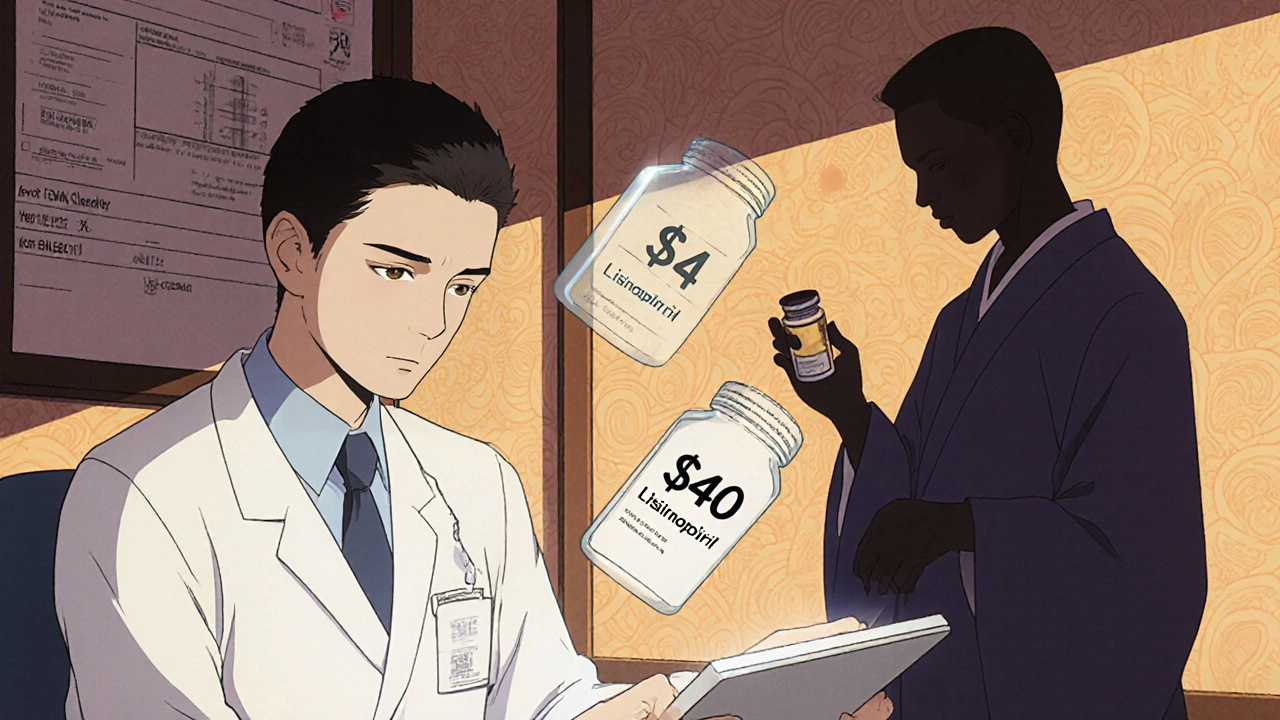
When you pick up a prescription, the price you see at the counter isn’t just about the pill inside—it’s shaped by prescription drug prices, the cost structure behind how medications are made, distributed, and sold in the U.S. healthcare system. You might pay $5 for a generic blood pressure pill one month and $80 for the same drug the next, even with the same insurance. That’s not a mistake. It’s the system. What you pay depends on your pharmacy, your insurer’s deal with the drugmaker, whether the drug is brand or generic, and even the time of year. generic drugs, lower-cost versions of brand-name medications that contain the same active ingredients are often the key to saving money, but not all generics are treated the same by insurers or pharmacies. Some push you toward the cheapest option, others don’t cover certain brands even if they’re medically necessary.
Behind every price tag is a chain of players: manufacturers set the initial price, pharmacy benefit managers (PBMs) negotiate discounts, insurers decide what to cover, and pharmacies mark up the final cost. pharmacy pricing, the final price charged at the counter after all negotiations and markups can differ by hundreds of dollars between two stores just miles apart. A 30-day supply of metformin might cost $4 at Walmart but $45 at a local pharmacy—same drug, same insurance. And if you’re paying cash? Sometimes that’s cheaper than using insurance, especially for older generics. This isn’t about shopping around for a better deal—it’s about understanding how the system is built to confuse you. Many people don’t realize they can ask for the cash price, switch to a different pharmacy, or even request a 90-day supply to lower the per-month cost. medication affordability, the ability to consistently pay for needed drugs without skipping doses or going into debt is a real issue, and it’s not just about income. It’s about access, transparency, and knowing your rights.
What you’ll find in the articles below aren’t just lists of drug costs—they’re real stories and practical guides on how to cut your prescription bills without risking your health. You’ll learn why some people pay next to nothing for insulin while others are forced to ration, how insurance switches can suddenly make your med unaffordable, and why asking your pharmacist for a different generic brand could save you $100 a month. There’s no magic trick, but there are proven strategies. And if you’ve ever stared at a $300 co-pay and wondered if you’re being scammed—you’re not alone. The system is broken, but you’re not powerless. Below, you’ll find the tools, facts, and step-by-step fixes that actually work.