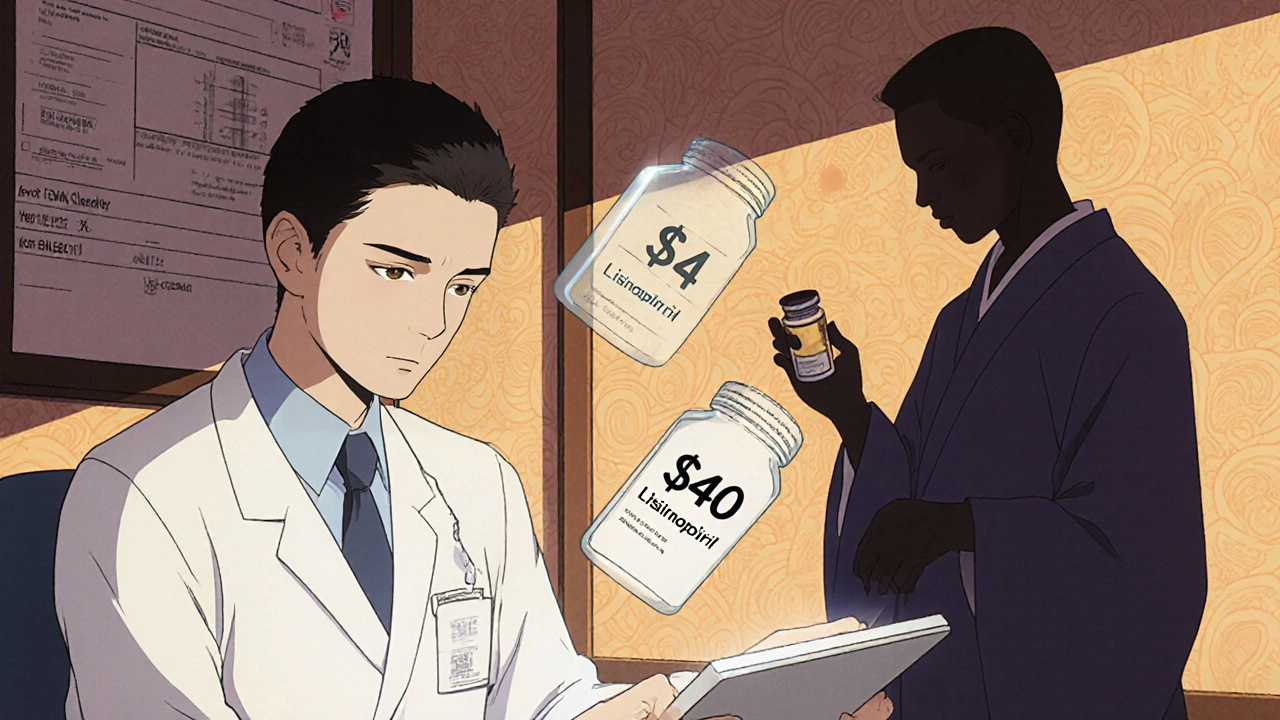
When a doctor writes a prescription, they’re not just picking a drug—they’re weighing clinician drug pricing, the real-world cost of medications as understood by healthcare providers who see the financial impact on patients every day. It’s not about list prices from manufacturers. It’s about what your insurance actually covers, what your pharmacy charges out-of-pocket, and whether you’ll skip doses because it’s too expensive. This is the hidden layer of care that no drug ad shows you.
Doctors don’t operate in a vacuum. They see patients who choose between insulin and groceries, who delay refills because their copay jumped $50, or who take half a pill because the bottle says 30 and they can’t afford the next one. drug costs, the actual amount patients pay after insurance, rebates, and pharmacy markups are often invisible to insurers and regulators, but they’re crystal clear to the clinician sitting across from you. And when a drug’s price spikes overnight—like a generic antibiotic that goes from $4 to $40—doctors scramble to find alternatives, not because of efficacy, but because they know their patient won’t fill it.
prescription pricing, how pharmacies, PBMs, and insurers set final prices for medications is a tangled mess of rebates, tiered formularies, and hidden fees. A drug might be listed as "covered" on your plan, but if it’s on Tier 4, your copay could be $200. Clinicians know which drugs are truly affordable versus which ones are just marketed as cheap. They also know which ones get switched without warning—because your insurer changed its formulary, and your doctor wasn’t told until you showed up with an empty pill bottle.
It’s not just about big-name drugs. Sometimes it’s the little ones—the antihypertensive, the thyroid pill, the generic antibiotic—that break the budget. medication affordability, the ability of patients to consistently access and pay for needed drugs without financial hardship isn’t a buzzword. It’s a daily reality. And when affordability drops, so does adherence. That’s not just bad for you—it’s bad for the system. Hospitals see more ER visits. Clinics see more complications. Everyone pays more.
What you can do? Ask your doctor: "Is there a cheaper alternative?" or "Can we check if this is covered under my plan?" Many clinicians now use real-time cost-checking tools before they write a script. They’re not trying to cut corners—they’re trying to keep you alive and well. And if you’re paying cash? Sometimes it’s cheaper than insurance. Always ask. The price tag on the bottle isn’t the whole story.
The posts below aren’t just about drugs. They’re about the real-world choices people make when cost gets in the way of care. From how magnesium interacts with thyroid meds to why generic antibiotics fail in some households, these stories show how pricing doesn’t just affect wallets—it affects health outcomes. You’ll find practical advice on navigating insurance, spotting hidden costs, and talking to your provider about what you can actually afford. This isn’t theory. It’s what happens when medicine meets money.