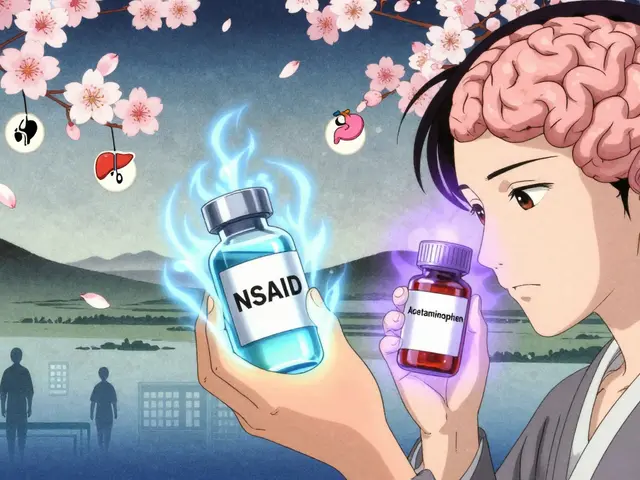
When something toxic enters your body—whether it’s medicine, cleaner, or even a plant—it can turn deadly in minutes. Poison control, a specialized emergency service that guides people through toxic exposures. Also known as toxicology hotline, it’s the first line of defense when someone swallows, inhales, or touches something harmful. Most people think poison control is only for kids who swallow pills, but adults get poisoned too—from mixing medications, using cleaning products wrong, or even eating wild mushrooms. The truth? You don’t need to wait for symptoms to call. Every second counts.
Common household toxins, substances found in homes that can cause serious harm if misused include bleach, antidepressants, painkillers like acetaminophen, and even essential oils. One study found that over 2 million poison exposures happen in the U.S. each year, and nearly half involve children under six. But adults aren’t safe either. Taking two painkillers with alcohol, using expired insulin, or mixing warfarin with certain antibiotics like TMP-SMX can spike your risk of internal bleeding. These aren’t rare cases—they’re everyday mistakes.
Drug overdose, a dangerous intake of medication that overwhelms the body’s ability to process it is one of the fastest-growing causes of preventable death. It’s not always intentional. People accidentally overdose when they don’t know how drugs interact—like taking magnesium with thyroid meds, or antihistamines with alcohol. Even something as simple as eating grapefruit with statins can turn a safe dose into a crisis. Poison control doesn’t just handle overdoses—it helps you avoid them before they happen.
Knowing what to do can mean the difference between a quick recovery and a trip to the ICU. Don’t wait for vomiting or dizziness. If you suspect poisoning, call poison control immediately. They’ll tell you whether to wait, rinse, induce vomiting, or go to the ER. And no, you don’t need to be sure it’s poison. Better to call and be wrong than to wait and be sorry. Most centers are free, 24/7, and staffed by pharmacists and toxicologists who’ve seen it all.
Prevention is simpler than you think. Keep all meds in locked cabinets, not on the counter. Store cleaners under the sink with child locks. Never mix bleach with ammonia—it creates deadly gas. And if you’re on blood thinners, antibiotics, or heart meds, ask your pharmacist about interactions before taking anything new. A simple check could stop a hospital visit.
Below, you’ll find real-life guides on how expired pills can still be dangerous, how common antibiotics like Bactrim can spike your INR, and why mixing magnesium with thyroid meds is a silent risk. These aren’t hypotheticals—they’re cases people have lived through. And they’re why poison control isn’t just a number to save—it’s a habit to build.