
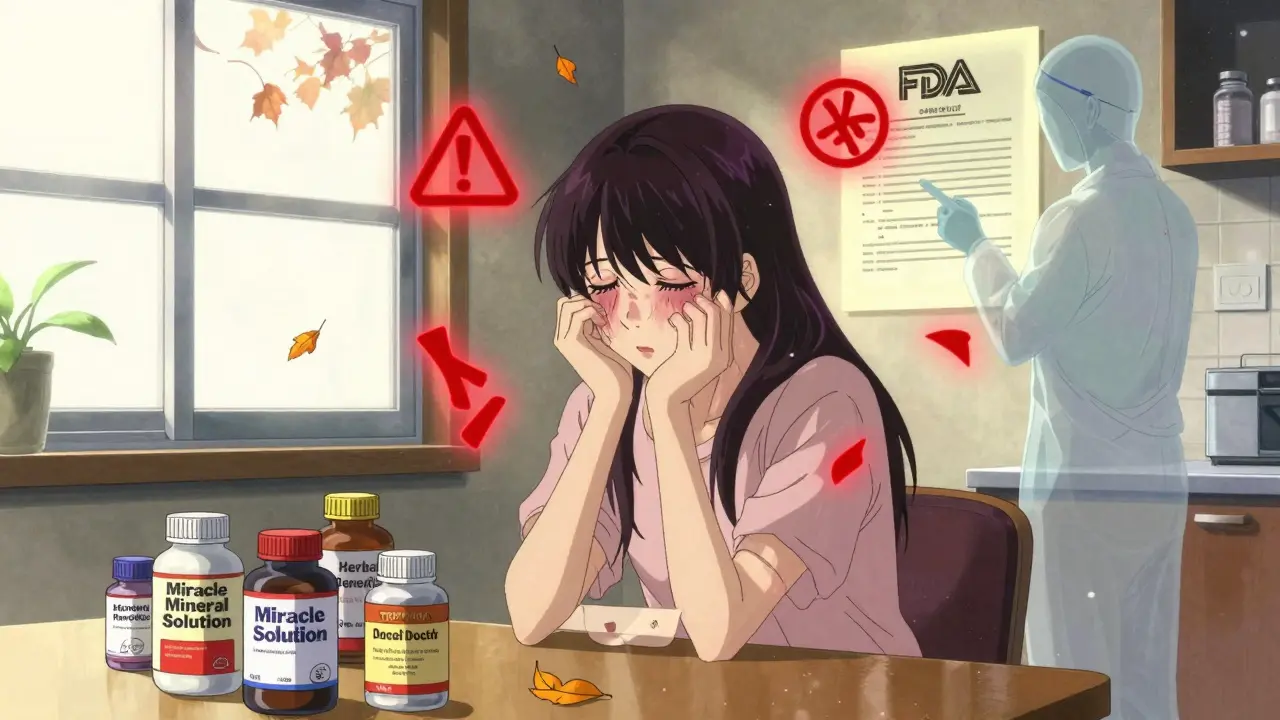
Every year, thousands of Americans take herbal supplements thinking they’re harmless - just natural alternatives to medicine. But the truth is, some of these products can cause serious harm, especially when mixed with prescription drugs. The FDA doesn’t approve these supplements before they hit store shelves. That means you could be taking something that’s contaminated, contains hidden drugs, or dangerously interacts with your medications - and you might not even know it.
What the FDA Actually Does (and Doesn’t Do)
The FDA treats herbal supplements like food, not medicine. Under the Dietary Supplement Health and Education Act (DSHEA) from 1994, companies can sell products without proving they’re safe or effective. The agency only steps in after someone gets hurt - which is too late for many.
That’s why the FDA issues public warnings. These aren’t vague alerts. They name specific brands, list violations, and detail what went wrong. For example, in 2019, the FDA warned Herbal Doctor Remedies for selling products claiming to cure cancer and diabetes. The products didn’t contain herbs at all - they had hidden, unapproved pharmaceuticals. In 2023, another company was caught selling a product called Miracle Mineral Solution that was basically bleach. People were told to drink it for autism and cancer.
There are over 80,000 supplement products on the market. Only 45 FDA staff members are assigned to oversee them all. That’s less than one person per 700 companies. With so little oversight, the burden falls on you - the consumer - to know what you’re taking.
Herbal Products That Can Be Dangerous
Not all herbs are safe. Some are harmless. Others? They can mess with your heart, liver, or blood pressure. Here are the top herbal products the FDA and medical experts warn about:
- St. John’s Wort - Often used for mild depression, but it can make birth control, antidepressants, blood thinners like warfarin, and even HIV meds useless. A 2018 study found it interacted with over 50 common drugs.
- Ginkgo Biloba - Marketed for memory, but it thins the blood. People on warfarin or aspirin who took it without telling their doctor ended up in the ER with internal bleeding.
- Green Tea Extract - Sold for weight loss and energy. But concentrated doses have caused liver failure in over 200 reported cases. The FDA has flagged dozens of products with unsafe levels.
- Valerian Root - Used for sleep. But when combined with anesthesia or sedatives, it can cause breathing problems during surgery.
- Kava - Popular for anxiety. But it’s been linked to severe liver damage. The FDA issued warnings in 2002 and still lists it as high-risk.
And here’s the kicker: many of these products don’t even list the right ingredients. A 2013 study in JAMA Internal Medicine found that 15% of tested supplements contained undeclared pharmaceuticals - like the active ingredient in Viagra or statins. These aren’t mistakes. They’re deliberate. Manufacturers add them to make products seem stronger.
Why Doctors Need to Know What You’re Taking
Imagine you’re on blood pressure medication. You start taking an herbal supplement for “energy.” Two weeks later, your blood pressure crashes. You end up in the hospital. When you finally tell your doctor about the supplement, they say, “That’s why.”
That’s not rare. A 2022 survey of 1.5 million doctors found that 68% of patients never mention supplements during visits. Why? Because they think it’s “just a herb.” Or they’re afraid their doctor will judge them. But here’s the reality: your doctor can’t protect you if they don’t know what you’re using.
At Johns Hopkins Hospital, doctors started asking five simple questions during check-ups:
- Are you taking any vitamins or supplements?
- What are you taking them for?
- How much are you taking?
- How often?
- Have you noticed any side effects?
Within six months, patient disclosure jumped from 32% to 78%. That’s not magic - it’s just asking.
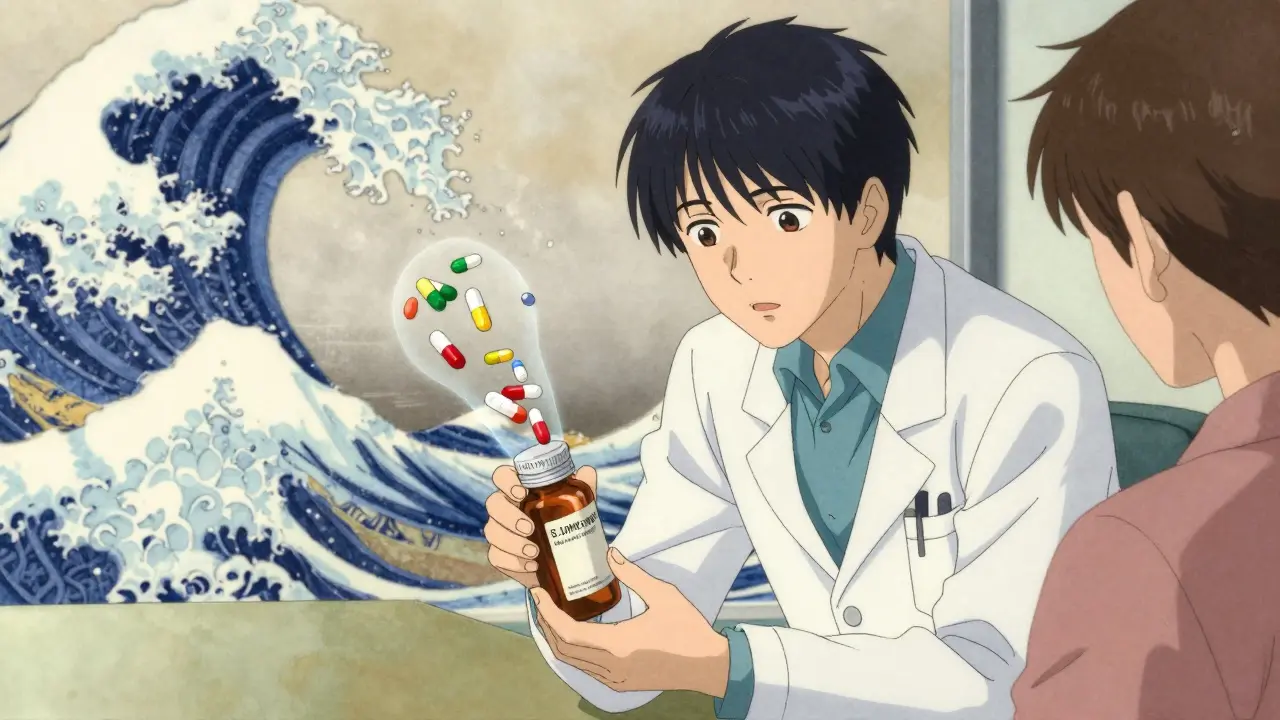
How to Check if a Supplement Is Safe
You can’t trust labels. You can’t trust ads. You can’t trust Amazon reviews (18% of them mention side effects). So what can you trust?
Here’s what actually works:
- Look for USP, NSF, or ConsumerLab seals - These third-party groups test supplements independently. USP-verified products meet stricter standards than FDA requirements. They check for correct ingredients, strength, and contaminants. Only 5% of supplements had this seal in 2020. By 2025, that number could hit 15%.
- Check the FDA’s warning database - Go to the FDA website and search for “Warning Letters.” Look up the brand name. If it’s there, don’t buy it.
- Verify the botanical name - Labels should list ingredients by Latin name. For example, “Hypericum perforatum” for St. John’s Wort. If it just says “herb blend,” walk away.
- Google the ingredients - Type the supplement name + “FDA warning” or “side effects.” You’ll find real cases, not marketing.
And here’s a hard truth: if a product claims to “cure” something - cancer, diabetes, Alzheimer’s - it’s illegal. The FDA has banned those claims since 1994. If you see it, report it.
What to Do If You’ve Had a Bad Reaction
Did you take a supplement and feel dizzy, nauseous, or have chest pain? Did your liver enzymes spike? Did you bleed unexpectedly? You’re not alone.
The FDA has a Safety Reporting Portal. It’s online. It takes 15 minutes. But only 12% of people complete it. Why? Because they don’t think it matters. It does.
Between 2018 and 2022, over 14,000 adverse events were reported. The most common? Gastrointestinal issues, heart palpitations, and liver damage. Each report helps the FDA track dangerous products. If you don’t report, the next person might get hurt.
Even if you’re not sure it was the supplement - report it anyway. The FDA investigates every single one.

What’s Changing? The Future of Supplement Regulation
There’s momentum for change. In 2023, Congress introduced the Dietary Supplement Listing Act. If passed, companies would have to list every product with the FDA before selling it. No more hiding. No more surprise chemicals.
Also, the FDA is pushing for better post-market tracking. Their 2023-2027 plan aims to cut dangerous products in high-risk categories - weight loss, sexual enhancement, bodybuilding - by 25% in five years.
But until then, the system is broken. And you’re the last line of defense.
Bottom Line: Don’t Assume It’s Safe
Herbal supplements aren’t evil. But they’re not harmless either. They’re unregulated. Unchecked. And often misunderstood.
If you take any prescription drugs - especially for blood pressure, diabetes, depression, or blood thinning - talk to your doctor before taking any herb. Don’t wait until something goes wrong. Don’t assume your pharmacist knows. Don’t trust the label.
Ask: “Is this safe with my meds?” Write it down. Bring it to your next appointment. If your doctor doesn’t ask, ask them. You’re not being difficult - you’re protecting your life.
And if you’ve had a bad reaction? Report it. One report might stop someone else from ending up in the ER.


I just took St. John’s Wort for three months because my friend swore it helped her anxiety. Turns out, it made my birth control useless and I got pregnant without meaning to. 😅 My OB literally yelled at me for not telling her I was taking it. I’m so embarrassed. But now I ask every doctor about every pill, powder, or ‘natural remedy’ I touch. Just... talk to your docs. It’s not weird. It’s smart.
The regulatory gap here is a classic case of structural failure in post-market surveillance. DSHEA created a loophole that effectively de facto legalized unverified pharmacological interventions under the guise of ‘dietary support.’ The FDA’s resource allocation is statistically indefensible-45 inspectors for 80,000 products equates to 0.00056 FTEs per product. This isn’t negligence; it’s systemic abandonment of public health.
I appreciate the thorough breakdown. It’s easy to dismiss supplements as harmless when you’re not personally affected. But the data speaks clearly: contamination, undisclosed pharmaceuticals, and dangerous interactions are not anomalies-they’re the norm. The fact that only 5% of products carry third-party verification is terrifying. We need more transparency, not less.
I think about how much of our health is shaped by trust-trust in labels, in brands, in our own intuition. But when the system is broken, trust becomes a liability. Maybe the real question isn’t ‘Is this safe?’ but ‘Who benefits from me believing this is safe?’ 🌿💔
I took ginkgo because I read it helps memory. Then I got nosebleeds. My doctor said ‘oh yeah, that’s common.’ I asked why it’s even sold then. He said ‘because people want to believe.’ I just... I don’t trust anything anymore. Not even water.
This is all a psyop. The FDA doesn’t care about you. They’re paid by Big Pharma to keep herbal remedies illegal so they can sell you expensive drugs with worse side effects. Miracle Mineral Solution? That’s a cover. The real truth is they want you dependent on pills. Wake up.
The fact that people still fall for ‘natural cures’ while ignoring peer-reviewed studies is frankly embarrassing. St. John’s Wort interacts with over 50 drugs? And you’re still taking it because a blog post said it’s ‘pure’? This isn’t wellness-it’s willful ignorance dressed up in yoga pants.
I don’t trust labels. I don’t trust ads. I don’t trust Amazon. I don’t trust ‘natural.’ I don’t trust ‘herbal.’ I don’t trust ‘FDA-approved’ (because they’re not approving these). I don’t trust my doctor unless I’ve cross-checked everything myself. So I’ve stopped taking supplements entirely. And I feel better. Not because I’m healthier-but because I’m no longer gambling with my liver.
They say the FDA warns about kava and green tea extract but they never mention the real villains-Big Pharma. Why? Because they’re the ones who want you scared of herbs so you’ll keep buying their synthetic crap. They’re the ones who invented the whole ‘dangerous supplement’ narrative to protect their billion-dollar monopoly. Don’t be fooled.
USP seal = go. No seal = nope. That’s my rule. Simple. I don’t read the 20-page PDFs. I don’t Google every ingredient. I just look for the little USP stamp. If it’s not there, I walk away. Works every time.
You know what’s wild? People get mad when you say ‘don’t take supplements’ but they’ll happily drink a gallon of kombucha that’s been fermenting in their garage for three weeks because ‘it’s probiotics.’ Meanwhile, they’re terrified of a vitamin D pill with a third-party certificate. It’s not about safety-it’s about identity. People don’t want to be told they’re being dumb. They want to be told they’re ‘natural’ and ‘in control.’ So they pick the option that makes them feel righteous, not the one that keeps them alive.
I tried valerian root before surgery. My anesthesiologist didn’t ask. I didn’t think to tell him. I woke up with my heart racing and a 3-hour delay in recovery. Now I have a laminated card in my wallet that lists every supplement I’ve ever taken. I hand it to every doctor. No one’s ever been annoyed. Everyone’s been grateful. It’s not a burden-it’s a gift.
I’m from India, where herbal medicine has been part of life for millennia. But I’ve also seen people die from unregulated ayurvedic blends laced with heavy metals. The same logic applies everywhere: tradition doesn’t equal safety. Knowledge does. I teach my nieces and nephews to check labels, ask questions, and never assume. We need more of that-anywhere.