
The Hidden Price of Care
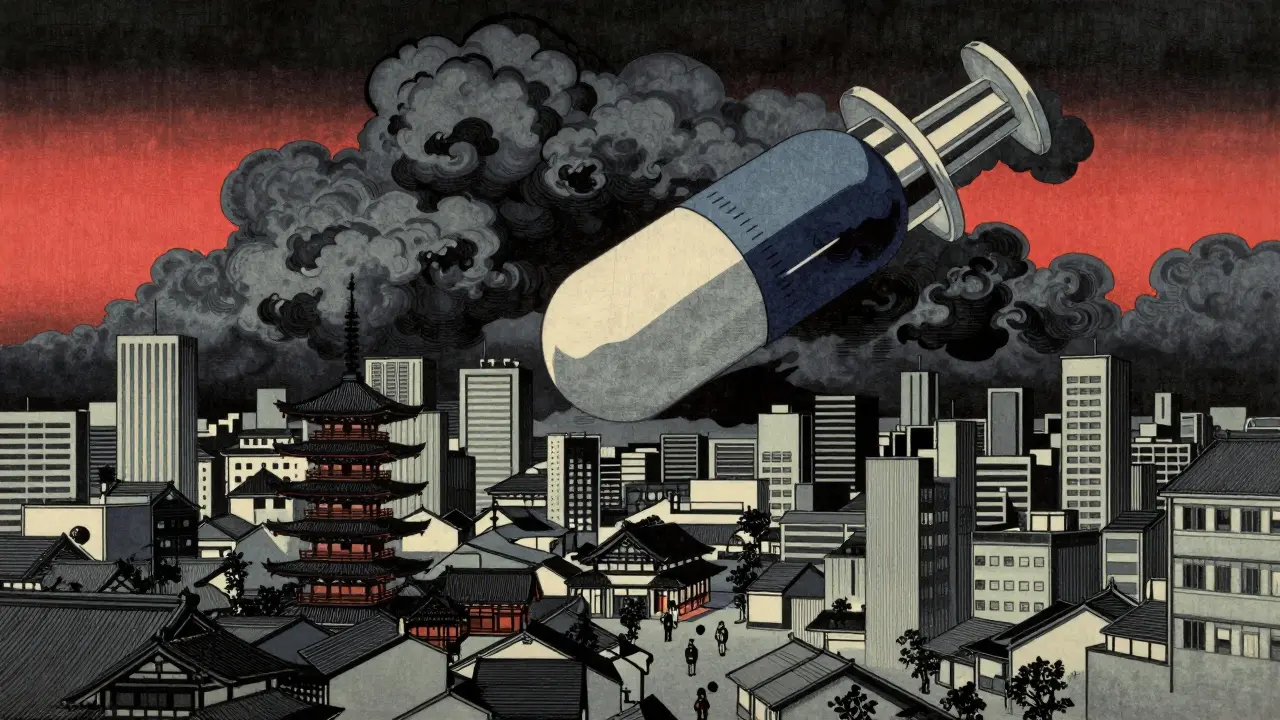
Imagine spending billions of dollars trying to fix problems you caused yourself. That is exactly what happens in modern healthcare when medication safety takes a back seat. In the United States alone, poor medication adherence costs the system roughly $300 billion every single year. This isn't just an accounting issue; it translates directly to human lives lost. According to data from the National Community Pharmacists Association, these oversights contribute to over 125,000 preventable deaths annually. When you consider the global perspective, the World Health Organization (WHO) estimates the economic burden of medication errors worldwide reaches $42 billion annually. We cannot simply ignore the damage caused by unsafe medication practices because they represent one of the leading causes of injury in our healthcare systems.
Understanding the Scope of Medication Risks
Why do we see such staggering numbers? The scale of the problem is massive. The Centers for Disease Control and Prevention reports that adverse drug events (ADEs) send more than 1.5 million people to emergency departments each year in the U.S. These aren't minor side effects we can manage at home; these are severe complications requiring immediate intervention. You have to ask yourself what drives these incidents. Part of the answer lies in the sheer complexity of modern medicine. Between 2000 and 2023, the Food and Drug Administration approved 3,200 new molecular entities. While innovation saves lives, it also increases the risk of interactions and confusion.
We also face a demographic shift that complicates everything. By 2030, the U.S. Census Bureau projects that 21% of the population will be aged 65 or older. Older adults typically take more prescriptions, increasing the likelihood of polypharmacy issues. In 2024, there were 215 billion days of therapy administered across the U.S., marking a 1.7% increase from the previous year according to IQVIA Institute. As we load more pills onto our schedules, the margin for error shrinks. Every additional prescription adds a variable to the equation that could go wrong.
Where the System Breaks Down
It is easy to blame a tired nurse or a distracted doctor, but the problem runs much deeper than individual negligence. Dr. Roseanne Sayther published a commentary in JAMA Internal Medicine showing that 89% of medication errors actually stem from system failures rather than personal mistakes. Think about a hospital where the software crashes right before discharge. The pharmacist rushes to verify a dose without checking for allergies because the screen is frozen. That is a design flaw, not a moral failure. Another major hurdle involves transitions of care. Studies analyzing 15,000 patient transitions found that 67% of patients experience at least one unintentional medication discrepancy during handoffs between departments. When a patient leaves the hospital, their new medication list often doesn't match what they told the primary care provider about their old regimen.
The Threat of Counterfeit and Unsafe Drugs
Beyond the pharmacy counter, a darker threat looms in the form of substandard and falsified medications. The U.S. Drug Enforcement Administration seized more than 80 million fentanyl-laced counterfeit tablets in 2023. This is not just a street crime issue; it infiltrates the broader supply chain vulnerabilities. Fentanyl has become the leading cause of death for Americans aged 18 to 45. Even legitimate pharmacies struggle with look-alike sound-alike packaging. On Reddit’s r/HealthIT community, nurses reported experiencing near-miss errors monthly due to confusing drug names. When the label reads "Zyprexa" instead of "Xyrem," a dosage difference means life or death.
| Type of Technology | Purpose | Impact Metric | Citation |
|---|---|---|---|
| Electronic Health Records (EHR) | Prevents prescribing errors via decision support | Reduces errors by 55% | JAMA Internal Medicine 2024 |
| Barcode-Assisted Medication Administration (BCMA) | Scans wristband and meds to verify match | Decreases administration errors by 86% | BMJ Quality & Safety 2023 |
| AI Risk Prediction | Identifies high-risk patients early | 73% accuracy in identifying risks | Sharma et al. PMC 2025 |
The Role of Artificial Intelligence and Technology
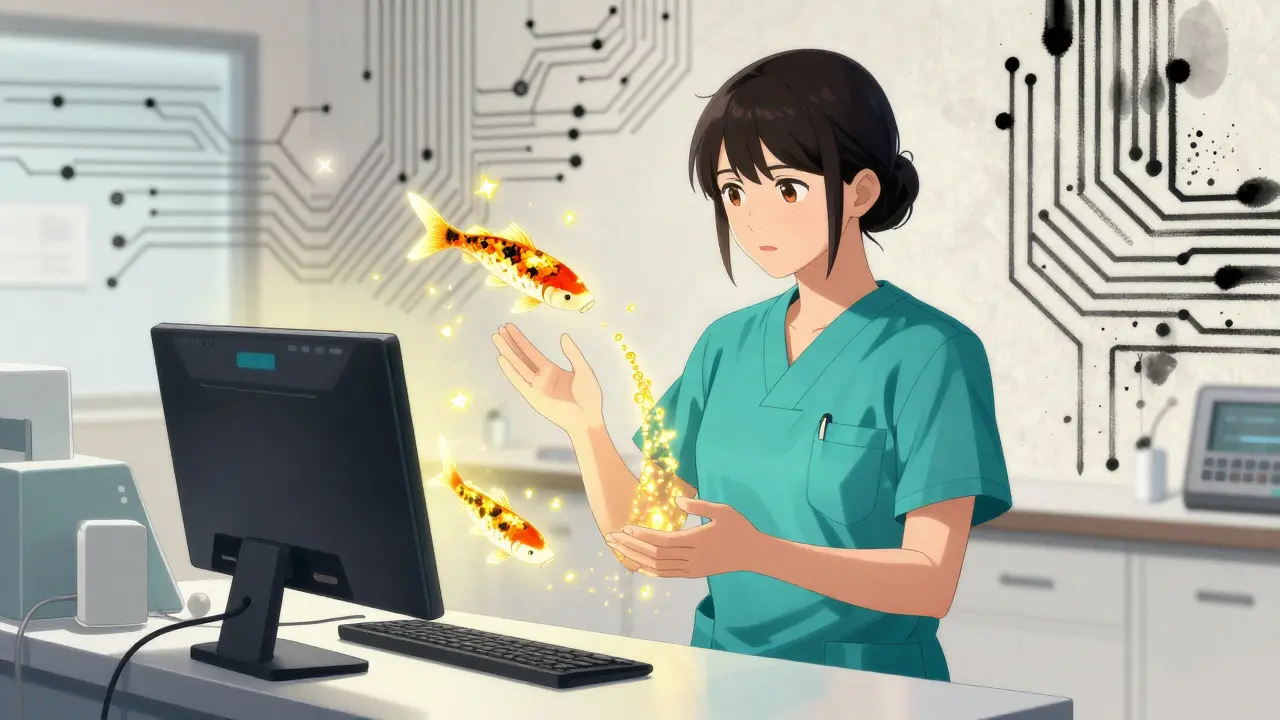
We are entering an era where software handles the heavy lifting of verification. Applications for medication safety prediction now show 73% accuracy in flagging patients who are likely to suffer harmful reactions. The Mayo Clinic implemented an AI-powered medication reconciliation tool that reduced post-discharge errors by 52% across three hospitals. But this technology only works if the data talks to each other. Interoperability remains a headache. Despite the 21st Century Cures Act mandating standardized APIs, KLAS Research found only 63% of U.S. hospitals had fully compliant systems by late 2024. Without shared data, the safety net has holes big enough to fall through.

Funding the Fix
Investing in safety makes financial sense, yet budgets often prioritize volume over quality. Dr. Donald Berwick analyzed the economics of safety and found that every dollar invested generates roughly $7.50 in healthcare savings. Pharmacist-led interventions offer an even higher return, generating $13.20 for every dollar spent. Despite these clear returns, barriers persist. Implementation guides from the Agency for Healthcare Research and Quality suggest a 12-to-18-month timeline just to get a program running. Phase 1 requires assessment and planning, followed by staff training. Resistance to change is real; 67% of hospitals report pushback against new workflows from staff worried about efficiency losses. Additionally, support quality varies drastically. Only 37% of rural hospitals provide 24-hour pharmacist consultation compared to 89% of large health systems.
Global Efforts and Regulatory Pressure
The fight against medication harm is international. The WHO launched its "Medication Without Harm" challenge in 2017 aiming for a 50% reduction in serious harm by 2022. Their 2025 progress report shows mixed results. High-income countries achieved a 28% reduction, while low- and middle-income countries managed only 12%. The UK centralized system cut serious errors by 30%, whereas the U.S. struggles with inconsistent state-level regulation. For example, only 38 states required formal certification for pharmacy technicians as of January 2025. To tighten the security, the Drug Supply Chain Security Act (DSCSA) requires full electronic tracing of drugs. With that deadline hitting November 27, 2025, enforcement continues into 2026 under the FDA’s Cybersecurity guidance for devices like infusion pumps.
What are the most common types of medication errors?
Errors generally fall into three categories: wrong drug selection, incorrect dosage, and timing issues. A 2024 survey showed look-alike/sound-alike drug names are a top culprit, causing 68% of near-misses among nursing staff. Dispensing errors remain difficult to track, as the American Public Health Association noted limited data exists regarding the rate of errors occurring after prescription filling.
How can patients contribute to medication safety?
Patients play a critical role by maintaining an up-to-date medication list and confirming instructions at discharge. Using patient-facing medication portals has been shown to increase adherence by 29%. Asking about potential interactions and ensuring the pharmacy label matches your understanding creates a second layer of defense before you take the pill.
Are digital tools replacing pharmacists?
No, they augment them. While EHRs catch basic interactions, complex regimen management still requires human judgment. Pharmacist-led management interventions increase adherence by 40%. The technology flags risks, but pharmacists interpret the context of the patient’s lifestyle and comorbidities.
Is the U.S. leading the way in safety?
Technologically, yes, but systemically, the U.S. lags behind nations like the Netherlands. The Netherlands reduced errors by 44% through mandated national electronic prescribing. In the U.S., inconsistent reporting leads to underreporting; ECRI notes only 14% of medication errors are formally logged here, obscuring the true scope of the problem.
What is the biggest barrier to fixing medication safety?
Clinicians cite lack of time as the top barrier, with 82% reporting inadequate time for medication reconciliation. Workflow friction combined with outdated IT infrastructure prevents smooth adoption. Until reimbursement models reward safety outcomes over volume of services, resource allocation will remain skewed.




The stats really show how fragile our systems are right now.
We need to focus on fixing the underlying processes before blaming individuals.
Just wait until the software crashes again and the patient dies on the table.
This gives me SO MUCH HOPE!!! Technology is coming to the rescue!
The return on investment for safety is massive!! Don't lose faith in the progress we are making!!
The data presented regarding adverse drug events aligns perfectly with current literature on clinical workflow friction. Implementation of interoperable standards remains the critical path forward.
Funding allocation strategies must reflect priority areas identified by health authorities to ensure sustainable improvements.
Stop waiting for the perfect system and just act now!!! People are dying every single second while we debate budgets.
We need to force these changes regardless of what the staff thinks about their workflow.
Safety is the only metric that matters here so why is everyone hesitating???
They tell us it is software errors but the supply chain corruption goes deeper than just bugs.
Big Pharma pushes new molecules to increase profits while ignoring the risk of interactions completely.
It feels like a game designed to keep people dependent on pills forever.
This really highlights how complex modern medicine has become since the turn of the century.
We often forget that every new pill approved adds another layer of potential confusion for patients.
The statistics regarding emergency department visits are truly shocking when you consider the root causes.
It seems like we are building towers without checking the foundation stability first.
Technology helps us see the problems clearly but solving them requires deep cultural shifts.
Many doctors feel pressured to move faster rather than spend time verifying dosage details.
Patients deserve better safeguards than a simple hope that the next screen won't crash.
The financial burden falls hardest on the individuals who cannot afford out of pocket fixes.
Preventable deaths should never happen in a system designed to save lives instead of taking them.
Global differences show us that regulation matters more than pure technological availability sometimes.
We see mixed results even when high income countries try to implement standardized protocols properly.
Rural clinics struggle the most with getting access to advanced pharmacist consultation support services.
Staff resistance to change is real but it stems from fear of increased workload expectations too.
Reimbursement models need to shift away from volume to reward actual safety outcomes directly.
Until then we will continue to watch preventable harm rates climb higher year after year unfortunately.
That is a fair point about the software reliability though.
We all want safer care eventually.
You really think money solves human error?
I bet my mom was on a wrong med last week and she would love this advice now.
Their empathy levels are so low you can barely measure them with any device.
Morally it is unacceptable to let negligence stand as the norm!
Only those with proper education understand the gravity of this failure.
We must demand accountability from the administration!!
Down here we get hit hard by rural shortages you talk about.
Nice read on the global side of things mate.
The correlation between reimbursement structures and safety outcomes warrants further quantitative analysis.
Specific policy levers seem underutilized in the current framework.
Total mess 🤦♀️ nobody cares about patients anymore 😡
We need justice for the dead 💀
Simple words work best for understanding risks.
Why make it so hard to take meds correctly.
Fix the basic stuff first before adding ai features.
The rest of the world struggles because they lack American innovation standards.
We export safety tech yet locals complain about costs.
This is a uniquely national problem of inefficiency.