When a child swallows something harmful, every minute counts. Child poisoning, the accidental or intentional ingestion of toxic substances by children under 6. Also known as pediatric poisoning, it’s one of the most common reasons parents rush to the ER—often because they didn’t realize a bottle of cleaner or a single pill could be deadly. Most cases happen at home, not in public places. Kids don’t need to eat a whole bottle to get sick. One swallowed button battery, a few drops of essential oil, or a single adult-strength painkiller can trigger a crisis.
Toxic substances in homes, everyday items like cleaning products, medications, cosmetics, and plants that can poison children are everywhere. You might think your cabinets are childproof, but toddlers can climb, open drawers, or pull down a purse. Iron supplements, antidepressants, and even nicotine from vapes are top offenders. Accidental ingestion, the unintentional swallowing of harmful substances, often by curious toddlers doesn’t mean you’re a bad parent—it means you need to know what to look for. Symptoms aren’t always obvious. A child might just seem sleepy, vomit once, or act unusually quiet. No fever doesn’t mean it’s fine. Some poisons don’t cause pain until internal damage has started.
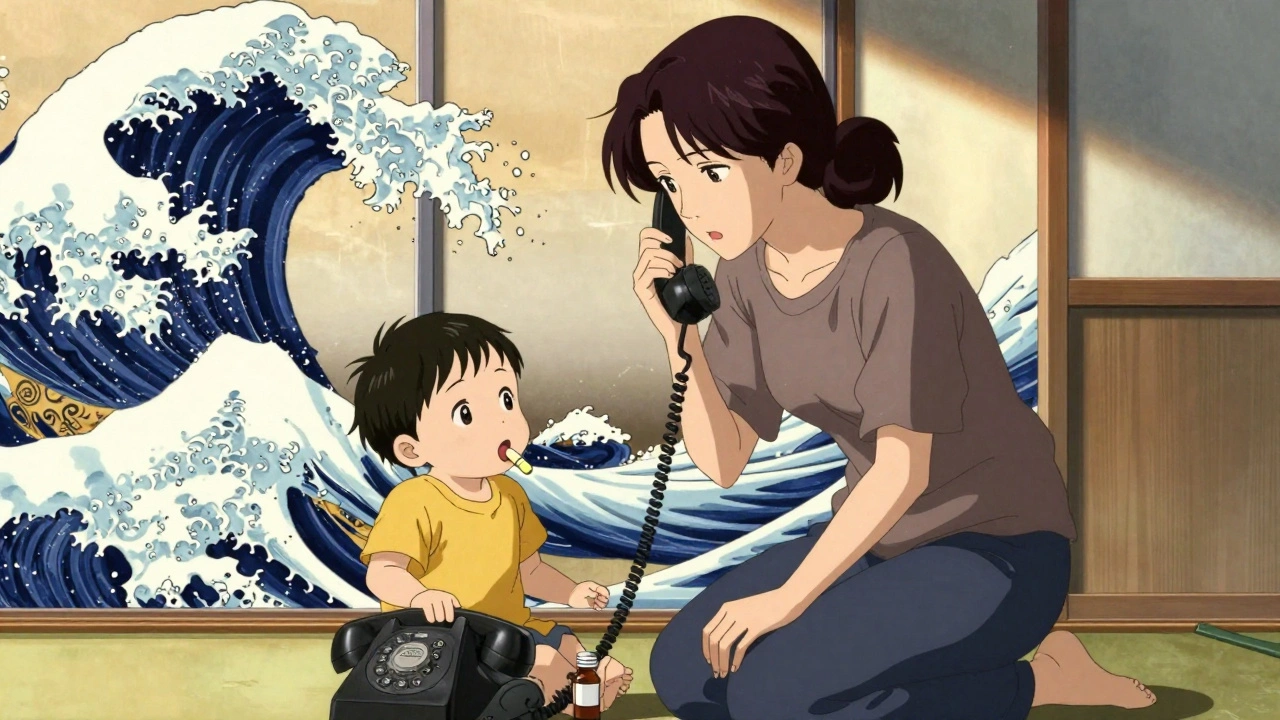
Knowing what to do in those first few minutes saves lives. Don’t wait for symptoms. Don’t try to make the child throw up. Don’t give milk or charcoal unless a poison control expert tells you to. Call 911 or your local poison control center immediately. Keep the container or pill bottle handy—they’ll need the exact name and dose. If it’s a chemical on the skin or in the eyes, rinse with water for at least 15 minutes. If it’s a battery, get to the ER now—those can burn through tissue in hours.
This collection of articles gives you real, practical guidance on what to watch for, which household items are most dangerous, and how to prevent poisoning before it happens. You’ll find advice on safely storing meds, recognizing early signs of toxicity, and what to do when you can’t reach a doctor fast. These aren’t theory pages—they’re based on real cases, real data, and real parents who’ve been there.