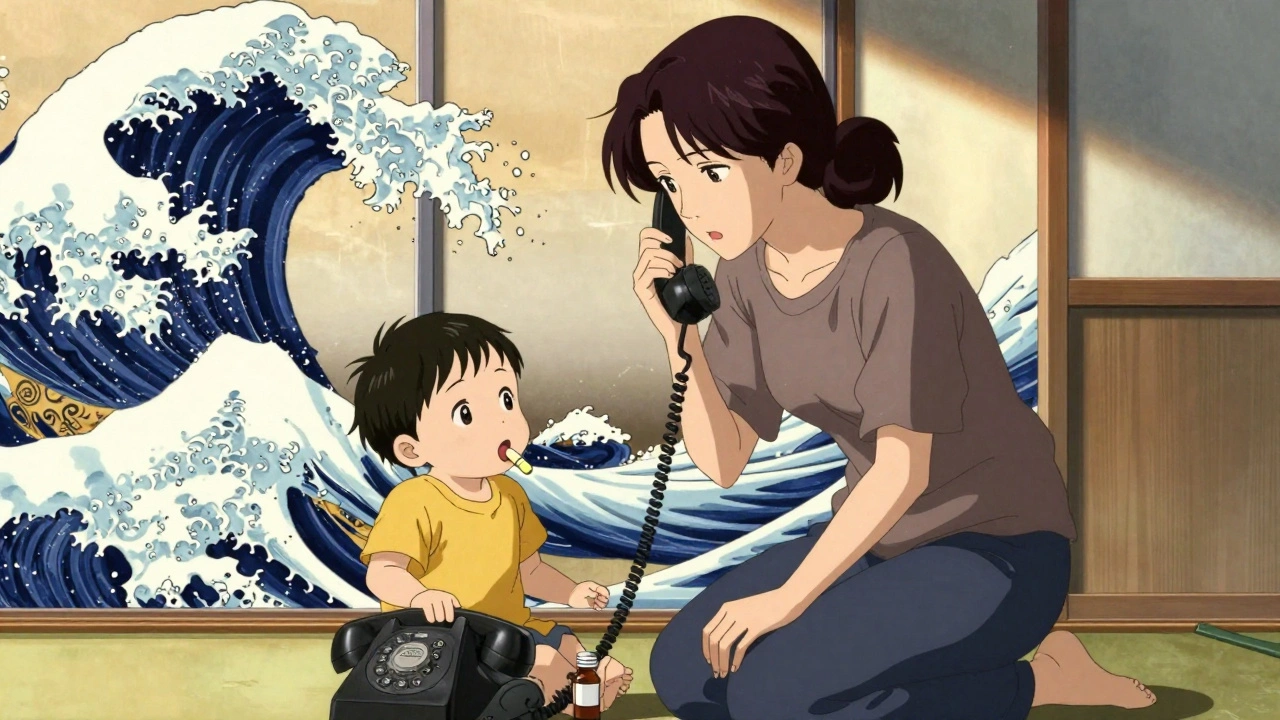
When a child accidentally takes too much medicine, it’s not just a scare—it’s a medical emergency. Child medication overdose, the unintentional or intentional ingestion of a toxic dose of pharmaceuticals by a child. Also known as pediatric drug toxicity, it’s one of the most common reasons kids end up in emergency rooms. Every year, tens of thousands of children in North America are treated for accidental overdoses, often from pills left within reach, mistaken for candy, or dosed incorrectly by caregivers. It doesn’t take much—a single adult dose of acetaminophen or ibuprofen can be deadly for a toddler. Even common OTC meds like cold syrups or antihistamines can cause seizures, breathing trouble, or coma if given in the wrong amount.
Accidental poisoning, a broad category that includes child medication overdose, but also extends to household cleaners, vitamins, and topical medications. Also known as non-intentional drug exposure, it’s often preventable with simple steps like locking cabinets, using child-resistant caps, and never referring to medicine as candy. Many parents don’t realize that liquid medications require precise measuring—using a kitchen spoon instead of a syringe can lead to a 50% overdose. And don’t assume a child is fine if they seem okay at first. Some drugs, like antidepressants or blood pressure pills, have delayed effects that can turn deadly hours later.
Child drug safety, the set of practices designed to prevent accidental ingestion and misuse of medications by children. Also known as pediatric medication security, it’s not just about storage—it’s about education, timing, and awareness. A child who swallows a single pill from a grandparent’s bottle can need hospitalization. The most common culprits? Painkillers, ADHD meds, diabetes drugs, and sleep aids. Even vitamins with iron can cause severe poisoning. And if you’re ever unsure—call poison control immediately. Don’t wait for symptoms. Don’t try to induce vomiting. Just get expert help.
The posts below give you real, practical advice from people who’ve been there. You’ll find what to watch for when a child takes too much, which drugs are most dangerous, how to store meds safely, and what to do when you’re alone with a sick child and no phone nearby. These aren’t theoretical tips—they’re the kind of info that saves lives when seconds count.