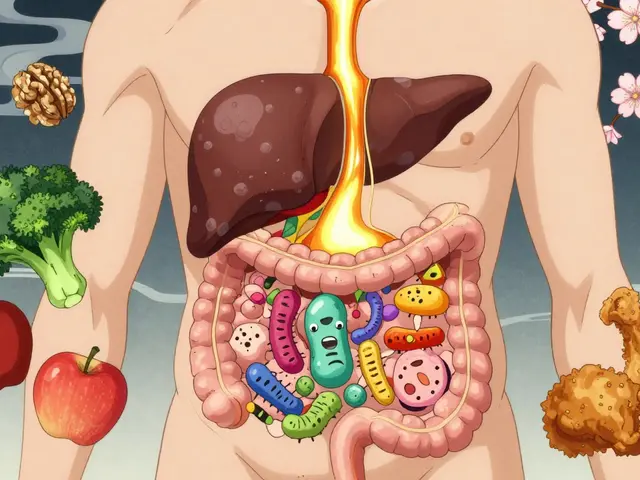
When you take an anticoagulant, a medication that prevents blood clots from forming or growing larger. Also known as blood thinners, these drugs are lifesavers for people with atrial fibrillation, deep vein thrombosis, or after heart valve surgery—but they come with risks you can’t ignore. The biggest danger isn’t a mysterious reaction. It’s bleeding. Not the kind from a cut, but internal bleeding that sneaks up quietly—bruising without injury, pink or red urine, dark stools, or a headache that won’t quit. These aren’t normal. They’re warning signs.
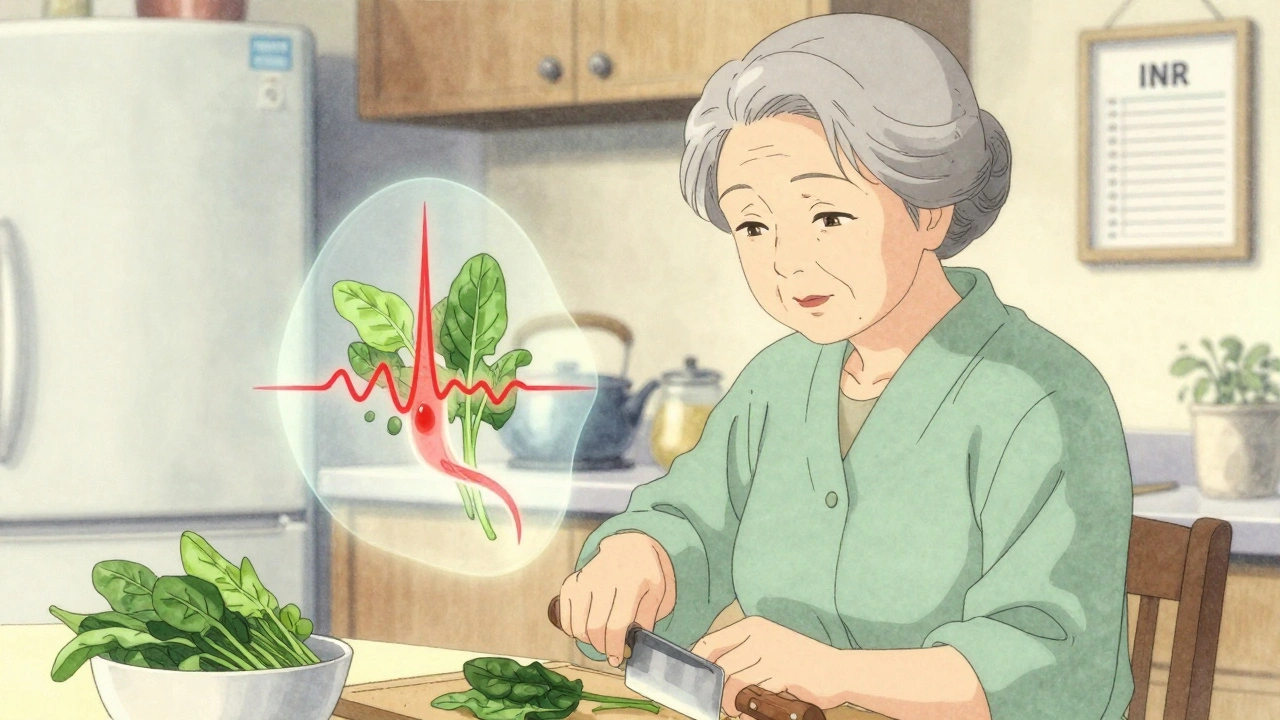
Not all anticoagulants are the same. Warfarin, an older blood thinner that requires regular INR blood tests to monitor clotting time, is still widely used. But it’s finicky. A single dose of antibiotics, like trimethoprim-sulfamethoxazole (Bactrim), can spike your INR and turn a routine trip to the pharmacy into an emergency. Even something as simple as eating more spinach or kale can throw your dose off if you’re not consistent. Newer drugs like Eliquis or Xarelto don’t need those weekly blood tests, but they’re not magic. They still carry bleeding risks, especially if mixed with NSAIDs like ibuprofen or aspirin. And if you’re on multiple meds—say, for high blood pressure, diabetes, or depression—the chance of a dangerous interaction goes up fast.
Most people don’t realize how many everyday things can interfere. Magnesium supplements, certain antifungals, even grapefruit juice can change how your blood thinner works. It’s not just about what you take—it’s about when and how much. And if you’re over 65, or have kidney issues, or have had a past bleed, your risk isn’t just higher—it’s predictable. The good news? You don’t have to guess. Tracking your diet, keeping a meds list, and talking to your pharmacist before trying anything new cuts the risk way down. You don’t need to live in fear. You need to be informed.
Below, you’ll find real-world advice from people who’ve been there—how to spot early signs of trouble, what foods to watch, which antibiotics to avoid, and how to handle missed doses without panicking. No fluff. Just what works.