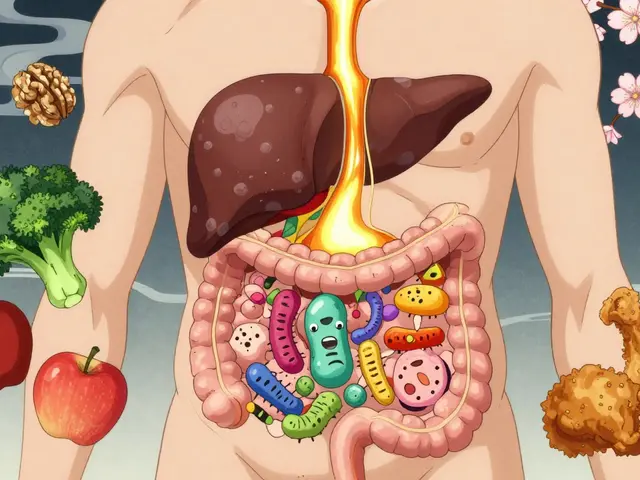
When your body doesn’t get enough vitamin B12, a critical nutrient that helps make red blood cells and keeps nerves working right. Also known as cobalamin, it’s not something your body can make — you have to get it from food or supplements. Without it, you might feel tired for no reason, have numbness in your hands or feet, or struggle to think clearly. It’s not just about energy — low B12 can quietly damage your nervous system over time.
Many people assume they’re getting enough B12 because they eat meat or dairy, but that’s not always true. Your ability to absorb it depends on stomach acid, enzymes, and a protein called intrinsic factor. If you’re over 50, have had stomach surgery, take acid-reducing meds like omeprazole, or follow a vegan diet, your risk of deficiency goes up. Even if you’re eating B12-rich foods, your body might not be able to use it. That’s why B12 deficiency, a common but often missed condition that leads to fatigue, brain fog, and nerve damage shows up in people who seem to eat fine. And if you’ve been diagnosed with pernicious anemia, an autoimmune condition that stops your body from making intrinsic factor, you’ll need injections or high-dose supplements — food alone won’t cut it.
It’s not just about popping a pill. How you take B12 matters. Sublingual tablets, injections, nasal sprays — each has different absorption rates. Some people need daily doses, others only monthly. And while supplements are widely available, not all are created equal. Methylcobalamin and adenosylcobalamin are the active forms your body uses directly, while cyanocobalamin needs to be converted — and not everyone does that well. If you’re tired all the time, have tingling in your fingers, or feel off mentally, don’t just blame stress. Get your levels checked. Fixing a B12 shortage can bring back your focus, your strength, and your clarity — without drugs, without surgery, just the right kind of support your body’s been asking for.
Below, you’ll find real-world guides on how B12 interacts with other medications, what causes absorption problems, and how to spot the signs before they turn into something serious. No fluff. Just what works.