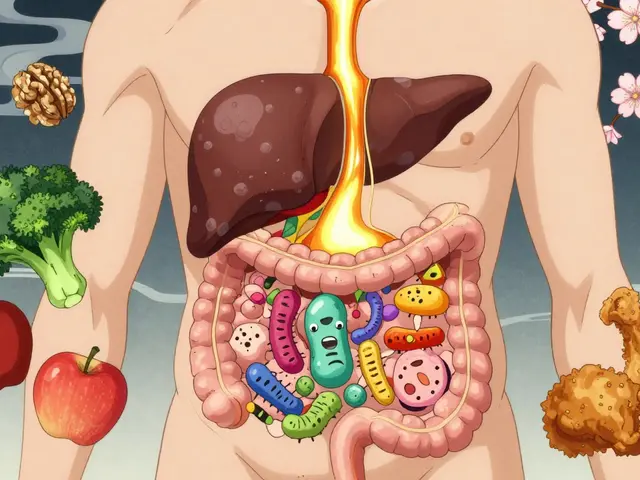
When you take antibiotics, medications designed to kill harmful bacteria but that also disrupt your body’s natural microbiome. Also known as antibacterial drugs, they’re essential for treating infections—but they don’t care if they wipe out the good guys too. That’s why so many people end up with stomach upset, yeast infections, or lasting digestive issues after a course. It’s not just bad luck. It’s a side effect you can often prevent.
Gut health, the balance of bacteria in your digestive tract takes the biggest hit. Antibiotics don’t pick and choose—they clear out everything in their path. That’s why probiotics, live beneficial bacteria that help restore microbial balance are one of the most proven ways to reduce side effects. Studies show taking them during and after antibiotics cuts diarrhea risk by up to 60%. But not all probiotics are equal. Strains like Lactobacillus rhamnosus GG and Saccharomyces boulardii have real data behind them. Skip the generic brands and look for these names on the label.
Timing matters too. Don’t take your probiotic at the same time as your antibiotic. Space them out by at least two hours. Same goes for supplements like magnesium or zinc—they can bind to antibiotics and make them less effective. And avoid alcohol. It doesn’t just add to nausea; it stresses your liver, which is already working hard to process the drug.
Some side effects aren’t just annoying—they’re dangerous. Diarrhea that lasts more than a few days could be C. diff, a serious infection that needs urgent treatment. If you’re on antibiotics and suddenly have fever, bloody stools, or severe cramping, don’t wait. Call your doctor. Also, don’t stop your antibiotics just because you feel better. Stopping early is one of the biggest reasons resistant superbugs develop.
What about food? Eating fiber-rich foods like oats, bananas, and asparagus helps feed the good bacteria that survive. Fermented foods like plain yogurt, kefir, sauerkraut, and kimchi add live cultures naturally. But avoid high-sugar foods—they feed the bad yeast that overgrows after antibiotics. And while you’re at it, skip the fancy "antibiotic support" supplements with 20 ingredients you’ve never heard of. Stick to the basics: probiotics, fiber, hydration, and rest.
Antibiotics are powerful, but they’re not magic. Their side effects aren’t unavoidable. With the right steps, you can protect your body while they do their job. The posts below show exactly how real people managed these issues—whether it was dealing with nausea from amoxicillin, yeast infections after clindamycin, or fatigue after a long course of doxycycline. You’ll find what actually works, what’s just hype, and how to talk to your doctor about minimizing damage without refusing treatment.