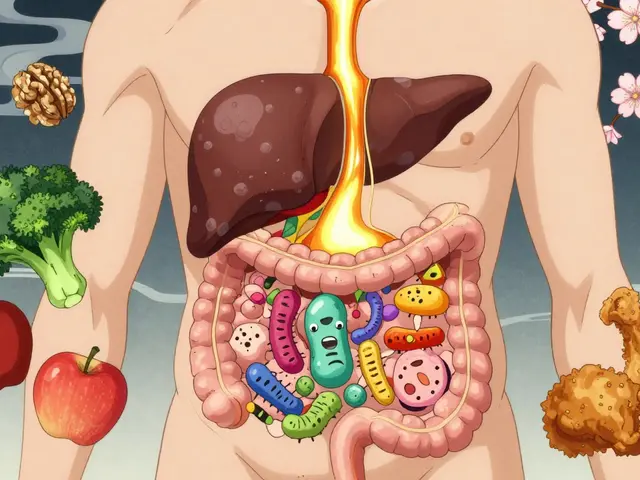
When you take antibiotics, medications that kill harmful bacteria causing infections. Also known as bactericidal drugs, they can wipe out good bacteria too—especially in your gut, the long tube where digestion happens and most of your immune system lives. Also known as intestinal tract, it hosts trillions of microbes that keep you healthy. That’s where probiotics, live beneficial bacteria found in supplements or fermented foods like yogurt and kimchi. Also known as good bacteria, they come in. But timing matters. Taking them at the wrong time can make them useless—or worse, cause bloating, diarrhea, or worse side effects.
Most people on antibiotics get diarrhea because the drugs don’t just target the bad bugs. They also hit the good ones that help digest food, make vitamins, and keep yeast in check. Studies show that taking probiotics while on antibiotics reduces the chance of diarrhea by about 40%. But if you take them together, the antibiotics kill the probiotics before they can settle in. The fix? Space them out. Take your probiotic at least two hours after your antibiotic dose. That gives the probiotic time to reach your gut without being wiped out. Some experts even recommend waiting until two hours before your next antibiotic dose, especially if you’re on multiple doses a day. Don’t wait until the end of your antibiotic course—start the probiotic on day one. The goal isn’t to replace your gut bugs after the fact. It’s to protect them while the antibiotics are still working.
Your microbiome, the full community of bacteria, fungi, and viruses living in and on your body. Also known as gut flora, it doesn’t bounce back overnight. Even after you finish your antibiotics, your gut can stay imbalanced for weeks or months. That’s why keeping up with probiotics for a few weeks after your last dose helps. Look for strains like Lactobacillus rhamnosus GG or Saccharomyces boulardii—they’re the ones backed by the most research for antibiotic-related issues. Not all probiotics are the same. Cheap store brands often don’t survive stomach acid. Stick to ones that list the strain and guarantee live cultures at expiration. And remember: food sources like kefir and sauerkraut help too, but they won’t give you the same dose as a supplement when you’re trying to fight off antibiotic side effects.
Some people worry probiotics might interfere with antibiotics. They don’t. They just need breathing room. Others think they’re a cure-all. They’re not. They won’t fix every side effect, and they won’t replace good hydration, rest, or a simple diet. But when used right, they’re one of the few things you can actually control during antibiotic treatment that makes a real difference. Below, you’ll find real stories, science-backed tips, and comparisons of the best probiotic strains to use—so you don’t have to guess what works or waste money on something that won’t help.