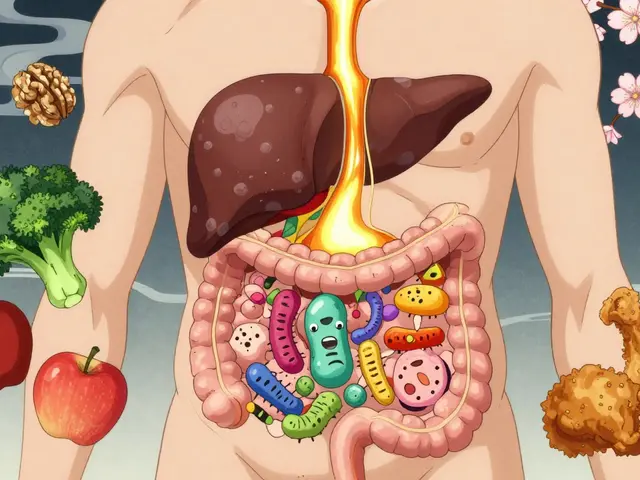
When you’re on antibiotics, medications that kill harmful bacteria but also wipe out good ones in your gut. Also known as antibacterial drugs, they’re essential for treating infections—but they don’t discriminate. That’s where probiotics, live beneficial bacteria that help restore balance in your digestive system. Often called good bacteria, they’re not just supplements—they’re your gut’s repair crew.
Not all probiotics are made the same. Some strains, like Lactobacillus rhamnosus GG and Saccharomyces boulardii, have been shown in real studies to cut down on antibiotic-related diarrhea by up to 60%. These aren’t marketing claims—they’re backed by clinical data. You don’t need a fancy, expensive blend. Just pick one with these strains, taken at least two hours away from your antibiotic dose. Taking them together? The antibiotic might kill the probiotic before it even gets started. Timing matters more than the brand name.
Antibiotics don’t just mess with your digestion. They can trigger yeast overgrowth, bloating, and even long-term changes in your microbiome. That’s why people who’ve taken multiple rounds of antibiotics often struggle with digestion for months. Probiotics help, but they’re not a magic fix. You also need fiber from veggies, legumes, and whole grains to feed the good bacteria once they’re back. Think of probiotics as the seedlings and fiber as the soil. Skip one, and the other won’t do much.
Some people worry about taking probiotics while on antibiotics because they think it might interfere. It doesn’t. In fact, skipping probiotics increases your risk of getting sick again with something like C. diff—a dangerous infection that thrives when your gut is empty of good bacteria. Hospitals use probiotics for this exact reason. If your doctor doesn’t mention it, ask. You’re not overstepping—you’re protecting your health.
What about yogurt? It’s great, but most store-bought yogurts don’t have enough live cultures to make a difference. And if they’re loaded with sugar? That’s just feeding the bad guys. Stick to supplements with clear strain names and CFU counts (at least 5 billion). Look for ones labeled "delayed-release" or "enteric-coated"—they survive stomach acid better.
The bottom line: antibiotics save lives, but they leave damage. Probiotics help you recover faster, feel better, and avoid complications. You don’t need to take them forever—just during and for a few weeks after your course. And if you’ve had bad side effects before, don’t wait until next time. Start planning now.
Below, you’ll find real-world comparisons, expert-backed choices, and practical tips from people who’ve been there. No fluff. Just what works.