

When you pick up a generic pill at the pharmacy, you expect it to work just like the brand-name version. But how do regulators know it’s truly the same? The answer lies in pharmacokinetic studies-the most common, and often misunderstood, tool used to prove generic drugs are safe and effective substitutes.
What Pharmacokinetic Studies Actually Measure
Pharmacokinetic studies don’t test whether a drug cures your infection or lowers your blood pressure. They track what happens to the drug inside your body after you take it. Specifically, they measure two key numbers: Cmax (the highest concentration of the drug in your blood) and AUC (the total amount of drug your body is exposed to over time). These numbers tell regulators if the generic version absorbs into your bloodstream at the same rate and to the same extent as the original. For most oral drugs, the FDA requires the 90% confidence interval for both Cmax and AUC to fall between 80% and 125% of the brand-name drug’s values. That’s not a guess-it’s a hard statistical rule. If the generic’s numbers land outside that range, it’s rejected. These studies are done in healthy volunteers, usually 24 to 36 people, using a crossover design. That means each person takes both the generic and the brand-name version at different times, with a washout period in between. This design cuts down on individual variability and gives cleaner results. Most studies are done under fasting conditions, but if the drug’s absorption changes with food-like some antibiotics or cholesterol meds-the test is repeated after a meal.Why It’s Called the ‘Gold Standard’ (Even Though It’s Not)
You’ll hear pharmacokinetic studies called the "gold standard" all the time. But that’s misleading. The FDA itself says bioequivalence isn’t a gold standard-it’s a scientifically validated surrogate. In plain terms: it’s the best practical method we have, not the perfect one. The real goal is therapeutic equivalence: does the generic work as well and as safely as the original? For most drugs, pharmacokinetic data reliably predicts that. But there are exceptions. For example, in 2010, a study in PLOS ONE found that two generic versions of gentamicin, both chemically identical to the brand and passing all in vitro tests, still produced different effects in patients. The generics had the same active ingredient, same dose, same shape-but their bodies handled them differently. That’s why regulators don’t just rely on chemistry. They rely on how the body responds. For drugs with a narrow therapeutic index-like warfarin, phenytoin, or digoxin-the stakes are higher. A tiny difference in absorption could mean a blood clot or a seizure. That’s why the FDA tightens the acceptable range for these drugs to 90-111%. It’s not just a tweak; it’s a safety net.Where Pharmacokinetic Studies Fall Short
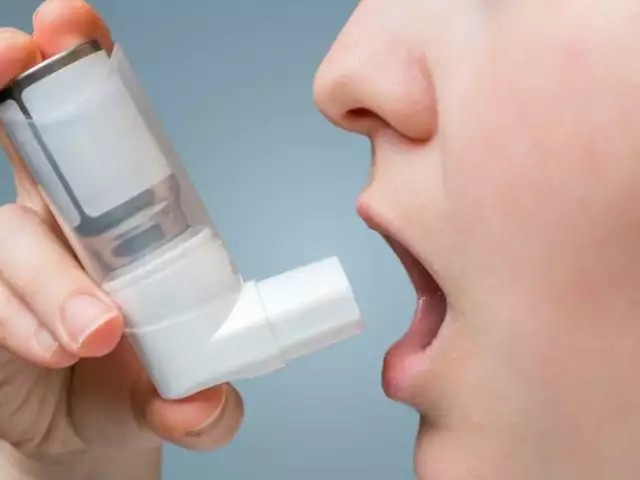
Not all drugs play nice with blood tests. Topical creams, inhalers, eye drops, and injectables often don’t show clear differences in plasma levels, even when their clinical effects vary. For example, two corticosteroid creams might have identical active ingredient concentrations, but one might penetrate deeper into the skin. A blood test won’t catch that. That’s why researchers are turning to alternatives. Dermatopharmacokinetic methods (DMD) now use tape-stripping and skin biopsies to measure drug levels directly in the skin. In vitro permeation testing (IVPT) uses human skin samples in lab dishes to predict how well a cream will work. One study showed IVPT was more accurate than clinical trials for topical products-and way cheaper. Even for oral drugs, there are limits. A 2024 paper in Frontiers in Pharmacology pointed out that some complex formulations-like extended-release pills or nanoparticles-can behave unpredictably in the body. Two pills might look identical and dissolve at the same rate in a beaker, but one might get stuck in the stomach, while the other zips through the gut. Pharmacokinetic studies can miss that if the volunteers have different gut motility or enzyme levels.
The Real Cost and Complexity Behind the Scenes
Behind every approved generic drug is a $300,000 to $1 million study that takes 12 to 18 months to complete. That’s not just lab work-it’s ethics board approvals, volunteer recruitment, clinical monitoring, data analysis, and regulatory submissions. For small manufacturers, that’s a huge barrier. The FDA has over 1,857 product-specific guidances for bioequivalence. That means a generic maker of a 50mg tablet of lisinopril has to follow different rules than a maker of a 10mg extended-release version. One size does not fit all. That’s why companies now use the Biopharmaceutics Classification System (BCS) early in development. If a drug is highly soluble and highly permeable (BCS Class I), it might qualify for a waiver-meaning no human study at all. But only about 15% of drugs fit that profile.Global Differences and the Push for Change
The U.S. and Europe don’t always agree. The FDA takes a product-by-product approach, adjusting rules based on the drug’s behavior. The EMA, on the other hand, tends to use one-size-fits-all limits, even for complex drugs. That creates headaches for global manufacturers who must re-formulate products for different markets. New tools are emerging. Physiologically-based pharmacokinetic (PBPK) modeling uses computer simulations to predict how a drug behaves in the body based on its chemistry, anatomy, and physiology. The FDA started accepting PBPK models in 2020 for certain BCS Class I drugs. It’s not replacing human studies yet-but it’s reducing them. In some cases, it’s eliminating them entirely. The WHO and ICH are pushing for global harmonization. ICH M13A, adopted by 35 countries, standardizes how bioequivalence studies are designed for immediate-release oral products. But in many low-income countries, regulatory oversight is weak. A 2023 WHO report found that while 50 national agencies claim to follow international standards, only about half actually enforce them.
What This Means for You as a Patient
If you’re taking a standard blood pressure pill, an antibiotic, or a statin, you can be confident that the generic you’re prescribed has been rigorously tested. The pharmacokinetic data is solid, and the failure rate is under 2% for simple oral drugs. But if you’re on warfarin, thyroid medication, or an epilepsy drug, ask your pharmacist or doctor: "Has this generic been tested under tighter limits?" Some generics for these drugs are approved under the same rules as others-but they shouldn’t be. The FDA has issued specific guidance for 28 narrow therapeutic index drugs, and not all generics follow the same standards. And if you’ve ever switched generics and noticed a change in how you feel-fatigue, dizziness, or a flare-up of symptoms-it’s not in your head. There are documented cases where patients reacted differently to generics from different manufacturers, even when both passed bioequivalence tests. That’s why some doctors stick to one brand or one generic maker.The Future: Beyond Blood Tests
The field is moving away from one-size-fits-all testing. The FDA’s Complex Generic Drug Products Initiative has already issued 149 product-specific guidances since 2018. For inhalers, the focus is now on particle size and lung deposition. For topical products, skin penetration is the new metric. For injectables, it’s how the drug disperses in tissue. Pharmacokinetic studies aren’t going away. But they’re no longer the only tool. The future is smarter, faster, and more targeted. For some drugs, in vitro tests will replace human trials. For others, computer models will predict outcomes before a single volunteer ever swallows a pill. What hasn’t changed is the goal: make sure every pill you take, no matter the price tag, works exactly as it should.Are generic drugs always as effective as brand-name drugs?
For most common medications-like blood pressure pills, antibiotics, or cholesterol drugs-yes. Pharmacokinetic studies show they deliver the same amount of active ingredient at the same rate. But for narrow therapeutic index drugs like warfarin or phenytoin, small differences in absorption can matter. Always talk to your doctor if you notice changes after switching generics.
Why do some people say generics don’t work as well?
Sometimes, it’s not the drug-it’s the excipients. Fillers, binders, or coatings can affect how quickly a pill dissolves or how well it’s absorbed. Two generics with the same active ingredient can behave differently in the body. There are documented cases where patients had different side effects or responses to generics from different manufacturers, even when both passed FDA bioequivalence tests.
Do pharmacokinetic studies test for side effects?
No. Pharmacokinetic studies only measure how much of the drug gets into your blood and how fast. They don’t look for side effects or long-term safety. That’s why the FDA requires post-marketing surveillance. If a generic causes unexpected reactions after it’s on the market, regulators investigate and may pull it.
Can a generic drug be approved without human testing?
Yes, but only for a small percentage-about 15%-of drugs. If a drug is highly soluble and highly permeable (BCS Class I), and its formulation is very similar to the brand, the FDA may allow a waiver. In those cases, in vitro dissolution tests and chemical analysis are enough. But for complex formulations, human studies are still required.
How long do pharmacokinetic studies take to complete?
From start to finish, a typical bioequivalence study takes 12 to 18 months. That includes formulation development, regulatory submissions, recruiting volunteers, conducting the study, analyzing data, and submitting results to the FDA. The actual study phase-where volunteers take the pills-is usually just a few weeks. But the prep and paperwork take much longer.



OMG i just learned so much today 😭 i always thought generics were just copycats but this whole bioequivalence thing is wild. like, they literally make healthy people swallow pills for weeks?? and the math behind 80-125%?? mind blown. also why do we even have 1857 guidances?? someone needs a nap.
So let me get this straight - we spend a million bucks and 18 months to prove a pill isn’t a placebo… and still, some folks swear their generic gives them ‘weird vibes’? 😅 Welcome to pharma’s version of astrology.
Pharmacokinetics isn’t magic - it’s a statistical proxy for therapeutic equivalence, which itself is a pragmatic approximation of biological fidelity. The 80–125% CI is not a biological truth, but a regulatory heuristic born from the entropy of human variability and the computational constraints of clinical trial design. We mistake operational convenience for ontological certainty - and that’s where epistemic humility becomes non-negotiable. 🤔💊
Anyone who thinks generics are 100% interchangeable is either naive or paid by Big Pharma. I switched from brand to generic for my thyroid med and started crashing by 3pm. They passed the test. My body didn’t. The system is broken and everyone knows it
So you’re telling me the FDA lets companies skip human trials for 15% of drugs?? And you call this healthcare?? This is just corporate cost-cutting dressed up as science. People are dying because some bean counter decided a beaker test is ‘good enough’
Interesting. I’ve been on the same generic for 5 years. Never had an issue. But I also never checked if it was the same maker every time.
It’s fascinating how PBPK modeling is starting to replace in vivo studies - especially for BCS Class I compounds. The convergence of computational physiology and regulatory science is accelerating bioequivalence validation while reducing ethical and financial burdens. Still, validation across diverse populations remains a blind spot.
I bought a generic for my anxiety meds and felt like a zombie for a week. Switched back to brand. Paid extra. Worth it. Why should I risk my mental health over $5?
They say the system works… but then why do people keep having bad reactions?? It’s not just the drug - it’s the fillers, the coatings, the manufacturing environment, the damn humidity in the factory!! They test blood levels but not your soul!! I’ve been through 3 different generics for my seizure med and each one felt like a different person took my brain hostage 😭
For anyone wondering why your generic feels different - it’s not all in your head. Excipients matter. A lot. I’m a pharmacist and I’ve seen patients have panic attacks after switching to a new generic because the binder changed the dissolution rate by 12%. The FDA says it’s within range. But your body doesn’t read the guidance document. It just reacts. Always ask for the manufacturer name - and stick with it.
Regulatory science is a necessary compromise between idealism and pragmatism. The pharmacokinetic model, while imperfect, represents a consensus derived from decades of empirical observation, statistical rigor, and clinical validation. To dismiss it as arbitrary is to misunderstand the nature of evidence-based decision-making under constraints. The goal is not perfection - it is acceptable risk.
I’ve read through this whole thing twice. The part about topical creams not showing up in blood tests really hit me. I have eczema and use steroid creams - I’ve switched brands and felt a huge difference in how fast the redness went down. But if the blood test says it’s the same, does that mean the cream I used before was just ‘better’? And why isn’t that tracked? If we’re going to rely on skin penetration instead of plasma levels, why aren’t those tests standardized across manufacturers? This feels like a loophole that’s letting bad products slide under the radar.
Dear colleagues, it is with profound respect for the scientific integrity of regulatory frameworks that I submit the following observation: while pharmacokinetic bioequivalence remains the cornerstone of generic drug approval, the absence of longitudinal post-marketing pharmacovigilance protocols in low-resource jurisdictions presents a critical vulnerability in global therapeutic equity. One must not conflate regulatory compliance with clinical safety. 🙏