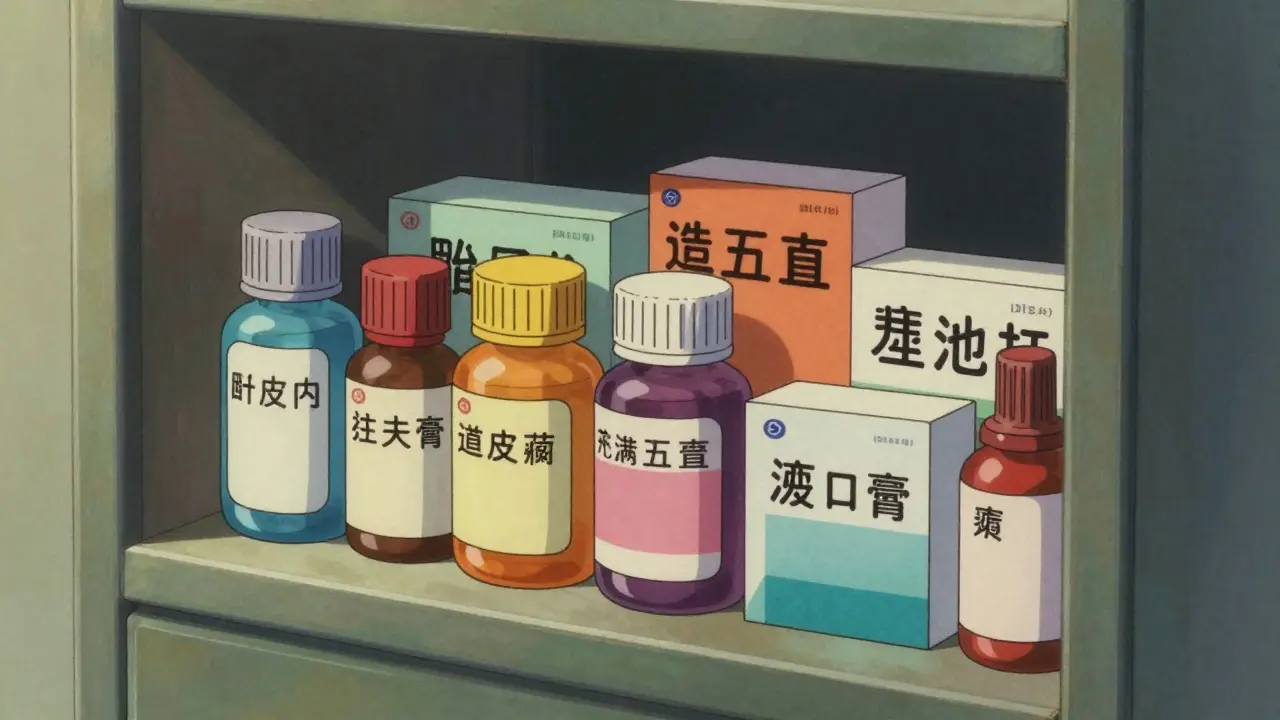
You probably have a bottle of Tylenol or a box of cold medicine in your cabinet right now. It's one of the most common ways we deal with a headache or a fever, and for the most part, it works wonders. But there is a hidden danger with acetaminophen is a widely used over-the-counter analgesic and antipyretic medication used to relieve pain and reduce fever. While it is safe when you follow the label, it has a dangerously narrow window between a helpful dose and one that can cause permanent liver failure. In fact, it's the leading cause of acute liver failure in the United States. The real problem? Many of us don't even realize we're taking it because it's hidden in hundreds of different products.
The Danger of the Hidden Dose
One of the biggest risks isn't someone intentionally taking too many pills, but rather "stacking" medications. The FDA reports that acetaminophen is found in roughly 600 different prescription and over-the-counter drugs. Imagine you have a bad cold: you take a multi-symptom flu relief liquid, then a few hours later, you take a Tylenol for a lingering headache, and maybe a prescription painkiller like Vicodin or Percocet for back pain. You might think you're taking three different medicines, but you're actually taking three doses of the same active ingredient.
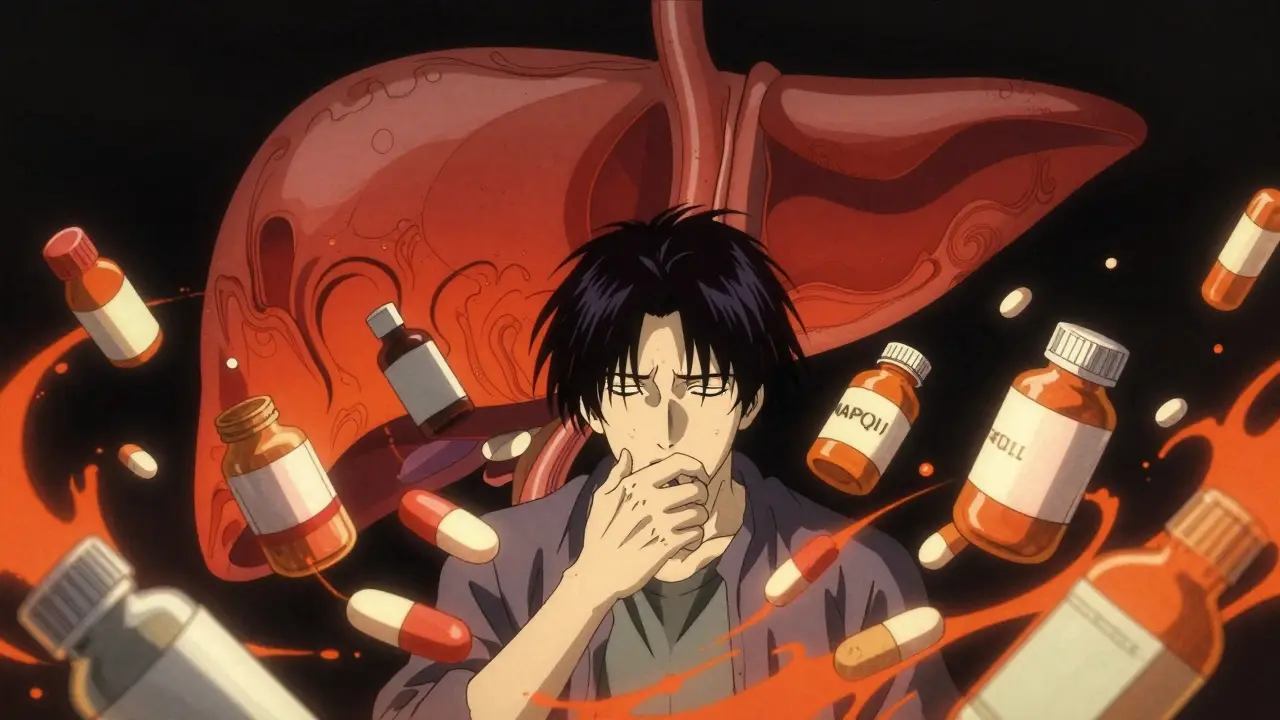
This cumulative effect is why nearly half of all overdose cases are unintentional. When you flood your system with too much of this drug, your liver can't keep up. Normally, the liver breaks the drug down, but when it's overwhelmed, it produces a toxic byproduct called NAPQI. This toxin eats away at your liver cells, leading to what doctors call hepatocellular necrosis. If you don't get help quickly, the damage can be irreversible.
Knowing Your Limits: The Math of Safety
To stay safe, you need to know the hard numbers. For most healthy adults, the absolute ceiling is 4 grams (4,000 mg) in a 24-hour period. To put that in perspective, that is exactly eight 500mg extra-strength tablets. However, many doctors now suggest a more conservative limit of 3,000 mg per day to provide a safety buffer.
The risk spikes significantly if you hit 7.5 grams in a single day. For children, the math is different and much more precise: they need 10-15 mg per kilogram of body weight per dose, and no more than five doses in a day. A common and dangerous mistake is using a kitchen spoon for liquid medicine; these are wildly inaccurate and can lead to a 41% error rate in dosing, which is terrifying when dealing with a toddler's liver.
| User Group | Safe Daily Limit | Toxicity Threshold | Key Risk Factor |
|---|---|---|---|
| Healthy Adults | Up to 4,000 mg | > 7,500 mg (Single day) | Combination products |
| Children | 90 mg/kg per day | > 150 mg/kg (Single dose) | Incorrect measuring tools |
| Chronic Liver Patients | ≤ 2,000 mg | Lower than standard | Pre-existing cirrhosis |
The Four Stages of Toxicity: What to Watch For
The scariest part about an overdose is that you might feel totally fine for the first 24 hours. This "silent window" often leads people to delay seeking help until it's too late. Toxicity usually unfolds in four stages:
- Stage I (0-24 hours): You might feel a bit nauseous or break into a sweat. Many people report vomiting or a general sense of malaise. Your blood tests would likely look normal here, which is why people ignore the symptoms.
- Stage II (24-72 hours): This is where it gets real. You'll likely feel pain in the upper right side of your abdomen where your liver is located. Lab tests will start showing elevated liver enzymes (AST and ALT), signaling that the liver is under attack.
- Stage III (72-96 hours): This is the peak of the crisis. Jaundice (yellowing of the skin and eyes) appears in over 80% of hospitalized cases. You might experience confusion, kidney failure, or internal bleeding because the liver can no longer help your blood clot.
- Stage IV (After 5 days): Either the liver begins to recover, or the patient faces multi-organ failure. Without treatment, the mortality rate for severe overdoses can climb to 30-40%.
Comparing Acetaminophen to NSAIDs
You've probably wondered whether to reach for Tylenol or something like Ibuprofen (Advil/Motrin). They aren't just different brands; they are entirely different classes of drugs. NSAIDs (Non-Steroidal Anti-Inflammatory Drugs) are great for swelling and inflammation, but they can be hard on the stomach and kidneys. Acetaminophen doesn't cause stomach bleeding, which makes it the go-to for people with sensitive stomachs or heart issues.
However, the trade-off is the liver. While an NSAID overdose might cause stomach ulcers or kidney stress, an acetaminophen overdose targets the liver with surgical precision. This is why the "therapeutic window" for acetaminophen is so much smaller than for ibuprofen.
How to Protect Yourself and Your Family
Prevention isn't about avoiding the drug entirely-it's about being an active manager of your medication. Here are the concrete steps you should take:
- Read the "Drug Facts" label every time. Look for the word "acetaminophen" or the abbreviation "APAP." If two medicines have this, do not take them together.
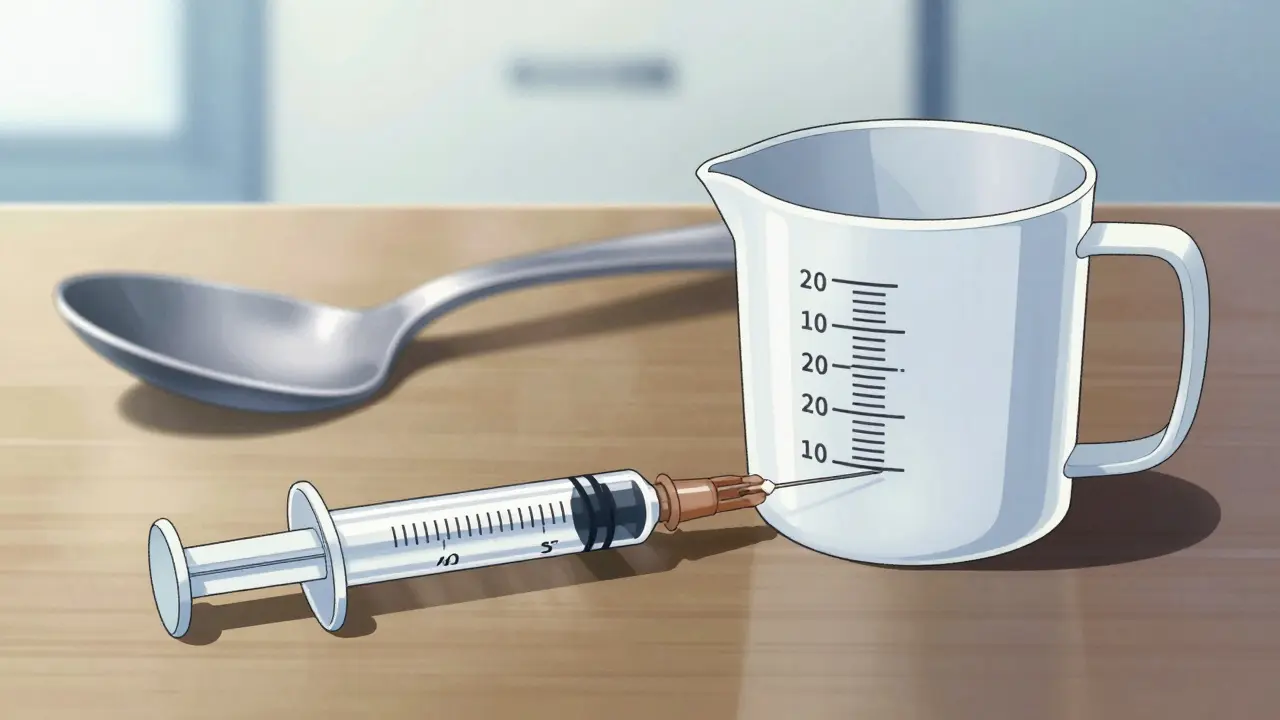
- Ditch the kitchen spoons. Only use the oral syringe or dosing cup that comes with the medication. Using a tablespoon from your silverware drawer is a recipe for disaster.
- Be careful with alcohol. This is a huge red flag. Drinking as few as three alcoholic drinks a day can make your liver much more susceptible to acetaminophen damage. If you're a regular drinker, talk to your doctor about a safer alternative.
- Track your total. If you're taking multiple meds for a cold or chronic pain, write down the milligrams and the time you took them. It's easy to forget a dose from six hours ago.
The Window of Hope: Emergency Treatment
If you suspect an overdose, the clock is your biggest enemy. There is a highly effective antidote called N-acetylcysteine (or NAC), which works by restoring the liver's protective glutathione stores.
The timing is critical. If you get NAC within 8 hours of ingestion, there is a 90% chance of a full recovery with no permanent liver damage. Once you hit 16 hours, that success rate drops to 60%. This is why you shouldn't "wait and see" if you feel sick. If you realize you've exceeded the 4-gram limit, call Poison Control or head to the ER immediately, even if you feel perfectly fine.
Can I take acetaminophen if I have liver disease?
Yes, but only under strict medical supervision. For patients with chronic liver disease, the recommended daily limit is typically reduced to 2 grams or less per day. You must consult your hepatologist to determine a safe dose for your specific condition.
What is the difference between "Regular Strength" and "Extra Strength"?
The difference is the amount of active ingredient per pill. Regular strength is typically 325 mg, while extra strength is 500 mg. Because the daily limit is based on the total milligrams (4,000 mg), you can take fewer extra-strength pills to reach the same dose. Always check the milligrams on the back of the bottle.
Does acetaminophen cause stomach ulcers?
Unlike NSAIDs (such as aspirin or ibuprofen), acetaminophen does not typically cause gastrointestinal bleeding or ulcers. This is why it is often the preferred choice for people with a history of stomach issues.
What should I do if I accidentally took too much but feel fine?
Seek medical help immediately. Acetaminophen toxicity is deceptive; you may not show symptoms for 24 hours, but the liver damage is already happening. Early administration of the antidote NAC is the only way to ensure a full recovery.
Is the 4,000 mg limit safe for everyone?
No. The 4,000 mg limit is for healthy adults. People who drink alcohol regularly, those with pre-existing liver conditions, or those who are malnourished may have a much lower toxic threshold. Always check with a doctor to find your personal safe limit.